
Classic Slots in the UK: Where They Pay, How They Work, and the Rules That Shape Every Spin
 Available in GB
A classic slot is the format the rest of the casino grew out of. Three reels. One to five paylines. Cherries, bars, liberty bells, red sevens. No free-spin round, no cascading wins, no character wandering across the screen. Press the button, watch the reels stop, and find out whether the single line across the middle paid. That stripped-down structure is not a relic: it is the format that still hosts the highest-RTP titles in any UK-licensed lobby, and the format most newcomers meet first.
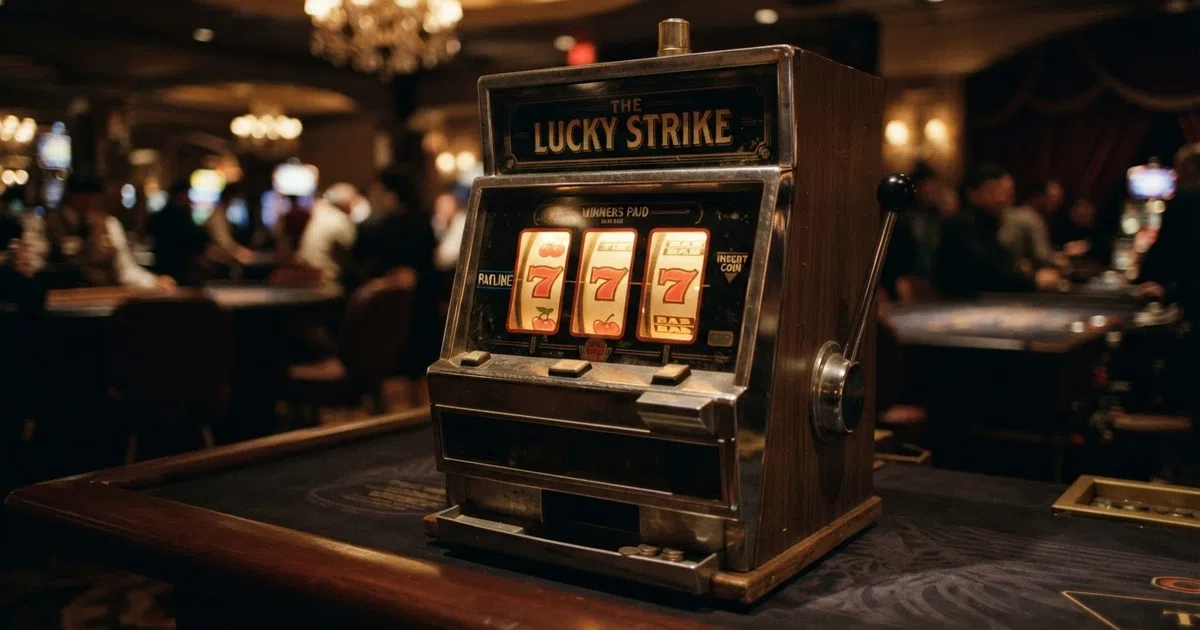
This guide covers what a classic slot actually does, which titles return the most per spin, where to play them at UK-licensed casinos in 2026, and the UK Gambling Commission rules that have reshaped every session over the last twelve months. It draws on the UKGC public register (last updated 29 July 2026), operator terms, and independent slot databases. Pricing and bonus terms were checked against the operator’s own promotion page on September 8, 2026.
What Classic Slots Actually Are — and Why They Still Deliver in 2026
A classic slot is a slot machine that uses three reels and a small number of fixed paylines, typically one to five, with the symbol set that defined mechanical one-armed bandits: fruit, single/double/triple bars, liberty bells, red sevens. The paytable is usually one screen, the bonus round is usually absent, and the volatility is lower than the five-reel video slots that dominate modern lobbies. The Independent’s 2026 guide puts the format on a short list of “ideal entry points for newcomers” precisely because the structure is so legible: there is one line, and either it paid or it didn’t.
That structural simplicity does something a video slot cannot: it concentrates variance onto a single decision. Neabour’s classic-slot guide puts it plainly. *“A typical video slot might have 20–50 paylines, three rows, and a hit frequency that baits you with small wins every few spins. A classic slot often has one payline, and that one payline determines your entire session mood.”* The mood is binary, and so is the result.
The format survived the video-slot era because it does one thing the bigger games cannot match: it can return 99% of stake over the long run. Mega Joker, the highest-RTP classic available in UK lobbies, pays back 99.0% in its Supermeter mode. The contrast with a mid-96% video slot like Starburst (96.09%) is small in percentage terms but meaningful in pounds: across £100 of stake, the 3% gap is £3 of expected difference in return. That gap is the reason the format still earns its place on the front page of any UK casino that takes RTP seriously.
UK players will recognise the format under several native names. Fruit machine is the British arcade term, the cabinet that sat in the corner of every pub with its AWP (Amusement With Prizes) classification, its nudges and holds, and its gamble feature. One-armed bandit is the older slang. Pub slots is what most people call them. The transition to online was direct: the symbols stayed, the paylines shrank to one or a few, and the nudges became Supermeter mode, where a player chooses whether to collect a small win or risk it for a chance at the headline payout.
How a Classic Slot Works: Reels, Paylines and the Spin
A classic slot presents three reels, each with a small set of stops — typically between three and five visible symbol positions. The payline, or the one to five paylines, runs across the middle (or in fixed lines above and below it). A spin sets the reels in motion, slows them, and stops each in turn. The result is read left to right, and any matching combination on an active payline pays according to the paytable.
The symbols follow a hierarchy. Cherries, lemons, oranges and plums sit at the bottom, paying for one or two matches. Single, double and triple bars are the middle tier. The red seven, often doubled or tripled, is the top of the standard paytable. The liberty bell, when it appears, is the original jackpot symbol, and a row of three 777s is the combination most players are chasing. The paytable is one screen, and the highest paying combination typically pays the most for a three-of-a-kind on the centre line.
NetEnt’s two Supermeter titles are the ones that show what classic slots can actually do. Mega Joker uses a 3-reel, 5-line fixed layout with a progressive jackpot and a maximum non-jackpot win of 200× the bet; the headline 99.0% RTP is reachable only when the player uses the Supermeter mode, where wins collected from the base game are staked on a higher-variance spin set. Jackpot 6000 follows the same pattern on a 3×3 grid with 5 lines and a 6,000× maximum win, also gated behind the Supermeter choice. Both are NetEnt’s argument that fewer reels can mean more room for a player to choose risk.
Hit frequency is the practical measure of how often a slot pays anything at all. Burning Wins: Classic 5 Lines, a 5-reel classic from Playson, pays on roughly one in every 3.5 spins — a high hit rate that keeps a session ticking over even when no individual win is large. By contrast, a high-volatility 3-reel title like Jackpot 6000 may go many spins without a win, then pay a large multiple when a Supermeter combination lands. The two experiences suit different bankrolls and different moods, and the format is honest about both.
Playing Classic Slots for Real Money in the UK
A real-money session is the same as a demo session, with three additions: a stake, a deposit, and a withdrawal. The first stake is set by the casino within the UKGC’s stake-cap regime: £5 per game cycle for players aged 25 and over, £2 for those aged 18 to 24. Both limits came into force in 2025 (the £5 cap on 9 April, the £2 cap on 21 May) under SI 2025/215, the statutory instrument that attached a new condition to every remote casino operating licence.
Winnings are paid as cash into the casino wallet. From there, a withdrawal request moves the balance to a bank account or e-wallet, minus any verification step the operator must complete. The UKGC requires identity verification before the first deposit or any gambling, which means a player will upload a photo ID and proof of address at sign-up, not at withdrawal. Credit cards have been banned for gambling since 14 April 2020, including credit-card-funded e-wallet top-ups. Reverse withdrawals, where a player could cancel a payout and put the money back into play, were permanently banned in 2021.
Tax is the cleanest line in the UK rules. Players pay no tax on gambling winnings. The duty is paid by operators: Remote Gaming Duty rose from 21% to 40% on 1 April 2026. The change is invisible to the player in the moment, but it explains a lot about why operators have become more disciplined about bonus generosity and customer acquisition cost in 2026.
Classic Slots Online: How the UK Market Delivers Them
UK-licensed casinos deliver classic slots through HTML5 instant-play, which means a browser tab is the whole casino — no download, no client, no plugin. Open the site, sign in, search for “classic” or pick a title from the slots lobby, and the game loads inside a frame on the page. The same frame is used on desktop, mobile and tablet, and the underlying game is identical. NetEnt’s Mega Joker runs the same code whether the player is on a Windows laptop, an iPhone or a Pixel.
The RTP range across a UK lobby runs roughly 96% to 99%. The lower end is where most video slots sit; the upper end is where a few classic titles sit, and Mega Joker and Jackpot 6000 are the two that regularly hit it. The reason the ceiling sits higher in classics is the absence of features: no free spins, no bonus games, no animated second-screen rounds, and therefore no additional house edge baked into the feature frequency. The slot just pays what the paytable says it pays.
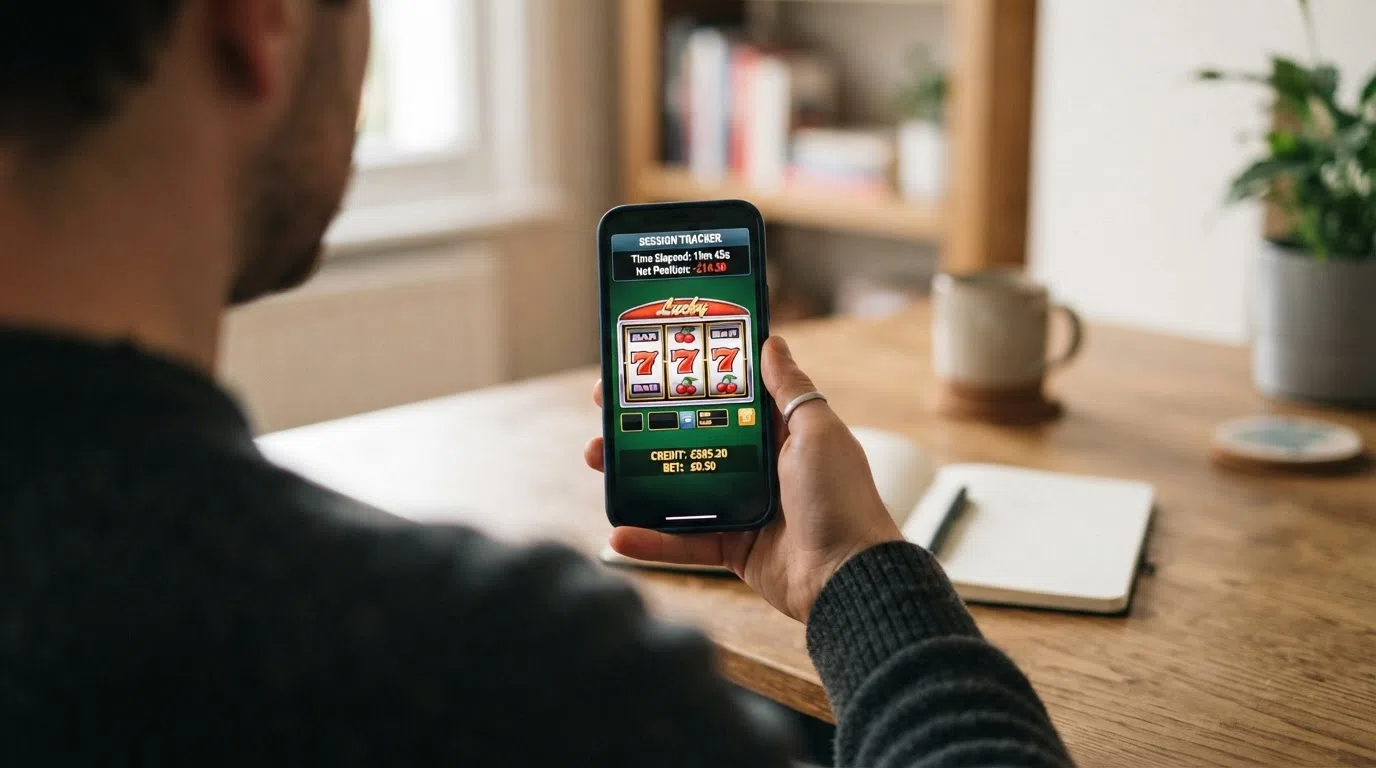
UKGC game-design rules shape what the player actually sees. Auto-play has been banned since 2021; spins must run at a minimum of 2.5 seconds per game cycle; features that speed up play are not permitted; losses disguised as wins — the celebratory sound and image that fires on a return equal to or below the stake — are banned. The operator must display the time the player has spent in a slots session and their total wins and losses during that session. Each of these is a designed-in check on the kind of play that produced the harm the rules are trying to prevent.
The Remote Gaming Duty rise to 40% is the operator-side story. It does not change what a classic slot returns to the player, but it does change what an operator can afford to spend on bonuses and marketing. The 1.1% statutory levy on remote casino GGY, in place since April 2025, is on top of duty and funds the treatment and prevention infrastructure through GambleAware. Neither levy is visible on the slot screen, but both explain why some UK welcome offers have shrunk in headline size while becoming more disciplined in structure.
Every Classic Slot Type Worth Knowing: 3-Reel, 5-Reel, and Fruit Machines
The word “classic” covers three distinct experiences. The 3-reel classic is the format as it was originally designed — three reels, a single payline, a small symbol set, and a one-screen paytable. The 5-reel classic is a hybrid that keeps the symbol set and the simplicity of the structure but adds reels, which adds paylines and adds action. The fruit machine is the British arcade variant, which carries its own lineage of nudges, holds, the gamble feature and Supermeter-style risk ladders, and which has its own online descendants in the form of NetEnt’s two Supermeter titles and the AWPs that migrated from pub cabinets to browser tabs.
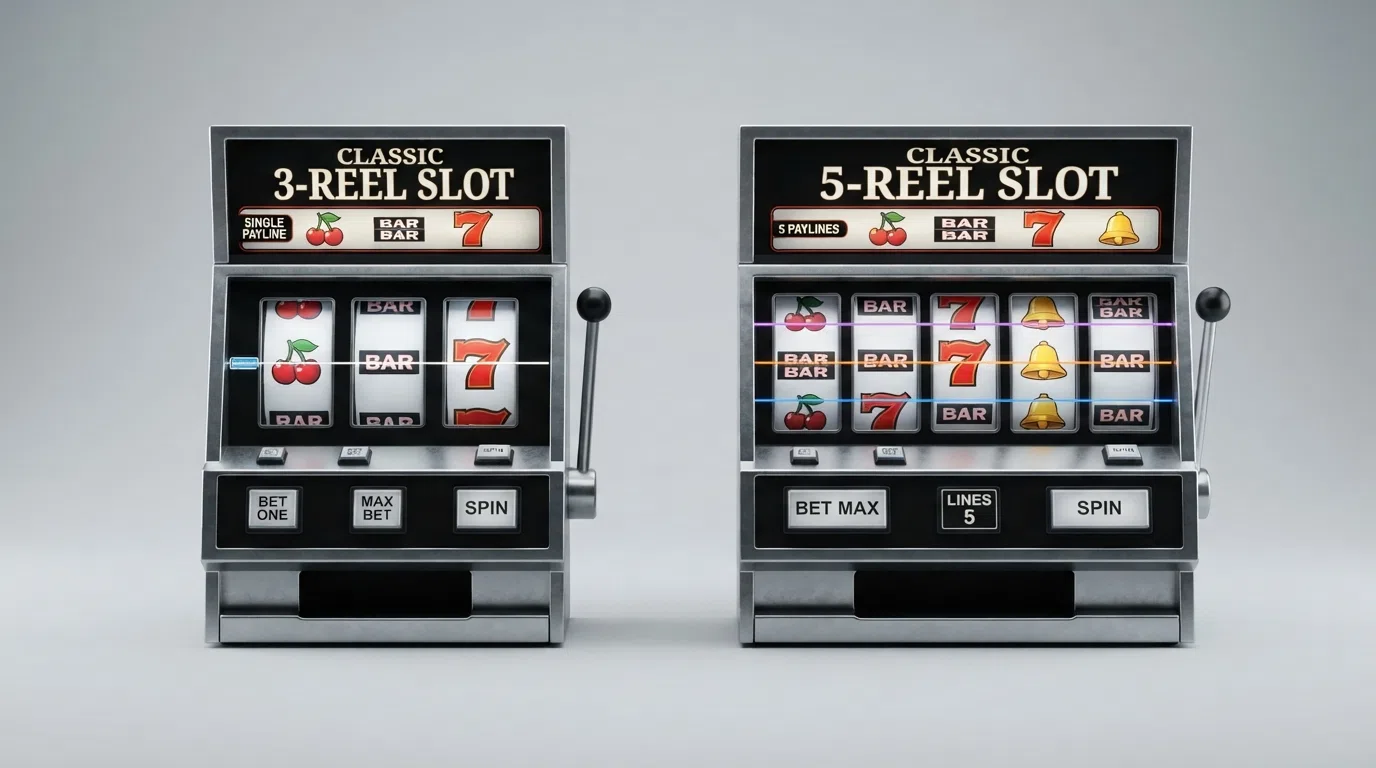
The 3-reel classic is the format the rest of the casino grew out of, and it is also the format that hosts the highest-RTP titles in the market. Mega Joker (NetEnt) returns 99.0% in Supermeter mode, on a 3-reel, 5-line fixed layout with a 200× maximum non-jackpot win and a progressive jackpot. Jackpot 6000 (NetEnt) returns 98.9% in Supermeter mode, with high volatility, a 3×3 grid, 5 lines and a 6,000× maximum win. Fire Joker (Play’n GO) is the more accessible option: 96.15% RTP, medium volatility, 5 fixed paylines, and an 800× maximum win. The gap between Fire Joker and the two Supermeter titles is mostly the cost of a feature: Fire Joker pays the 96.15% in straight spins, while Mega Joker and Jackpot 6000 require the player to opt into Supermeter mode to access the top figures. That is the trade-off: a fixed 96% versus a 99% the player has to work for.
The 3-Reel Classic: Pure Form, One Payline
The 3×3 grid and the single-payline structure concentrate variance onto one decision. A spin is binary: the line paid, or it didn’t. That concentration is what makes the format efficient: a slot with one line does not need a feature round to balance its RTP, because every combination on that one line is a paid combination, and the paytable is the whole game. The paytable is also small, and the symbols are familiar, which is the other reason the format is a better entry point for newcomers than any video slot.
The 3-reel Supermeter titles are the best argument for the format. Mega Joker, at 99.0% in Supermeter mode, is the highest-RTP classic slot a UK player can load in a mainstream lobby. Jackpot 6000, at 98.9%, is the highest-volatility option in the same space. Fire Joker sits below them on RTP at 96.15% but is the most accessible of the three: no Supermeter gating, no progressive jackpot, a medium volatility that keeps a session alive without requiring the player to chase the headline figure. The difference between Fire Joker and Mega Joker is the difference between a slot the player can sit with for an hour and a slot the player is choosing risk on every spin.
5-Reel Classics: More Lines, Same Spirit
A 5-reel classic takes the 3-reel symbol set and stretches it across two more reels, which adds paylines and adds the visual rhythm of more symbols landing at once. The fruit, bar and seven symbols are unchanged, but the grid is wider and the number of ways to win is multiplied. Burning Wins: Classic 5 Lines, a Playson title with a 96.21% RTP, medium volatility and a hit frequency of 1 in 3.5, is the cleanest example. The 5-reel version pays more often than its 3-reel cousins, but the individual wins are smaller, and the RTP sits in the mid-96% range rather than the high-98% range.
The trade-off is the same one Neabour describes in a different context: more action, lower ceiling. A player who wants the highest-RTP classic slot in the market will not find it in a 5-reel classic; they will find it in Mega Joker. A player who wants a slot that pays something every three or four spins, at the cost of a lower long-run return, will prefer a 5-reel classic like Burning Wins or 777 Deluxe. IGT’s 777 Deluxe sits at 96.47% RTP with 5 paylines, a gamble feature and a fixed jackpot, and is the most traditional 5-reel classic in the UK market.
Fruit Machines: The UK’s Own Classic Slot
A British fruit machine is a distinct species within the family. It carries the fruit, bar and seven symbols, but it adds four mechanics that a 3-reel classic usually does not: nudges, holds, the gamble feature and a Supermeter-style risk ladder. The nudge moves a reel one position up or down after a spin to complete a combination. The hold freezes a reel in place for the next spin, usually awarded after a near-miss. The gamble feature offers the chance to double or quadruple a small win on the turn of a card. The Supermeter, in its arcade form, gives the player the choice between collecting a win and staking it on a higher-variance spin for a larger payout.
The transition to online was direct. NetEnt’s two Supermeter titles — Mega Joker and Jackpot 6000 — are the closest the online market has to a fruit machine in the traditional sense, with the gamble-style risk ladder intact and a smaller symbol set that does not need a feature round to balance its RTP. Other online classics borrow the AWP label without the nudge/hold mechanics, but the Supermeter titles are the ones that actually carry the arcade DNA.
Classic vs Video Slots: Why Fewer Features Can Mean More Control
A classic slot has fewer reels, fewer paylines, and almost always no bonus round. A video slot typically has five reels, 20 to 50 paylines, at least one feature round, and often a free-spin bonus. The structural difference is the trade-off: a video slot can be entertaining in a way a classic cannot, but the entertainment is paid for out of the RTP. The features that make a video slot lively — the free spins, the pick-me bonus, the gamble ladder, the animated character — are designed-in costs that the paytable has to cover. The classic slot, with nothing to fund, returns more of the stake.
That is why the RTP ceiling sits higher in classics. Mega Joker at 99.0% and Jackpot 6000 at 98.9% are above the video-slot cluster. Starburst, a 10-payline NetEnt title that is technically a video slot but functionally a low-feature hybrid, sits at 96.09%. The 3% gap between 99.0% and 96.09% is the cost of the features the video slot is paying for. Across £100 of stake, the difference is £3 of expected return. It is a small number in a single session, but it is the reason the format is worth knowing.
The psychology of the two formats is also different. A video slot with 50 paylines pays a small win on most spins, which is designed to keep the player in play. A classic slot with one payline goes longer between wins, and the wins are larger relative to the stake. Every spin is binary: the line paid or it didn’t. Neabour’s description is exact: *“A classic slot often has one payline, and that one payline determines your entire session mood.”* The player who prefers that kind of decision is the player the format was designed for.
Classic Slot Symbols and Paytables: What Every Icon Is Worth
The classic paytable is one screen. The symbols are arranged by value, with the lowest payers at the bottom and the highest at the top. Cherries, lemons, oranges and plums are the bottom tier, and they typically pay for one or two matches on the line. The single, double and triple bar is the middle tier, paying for three of a kind. The red seven, often doubled or tripled, is the top of the standard paytable. The liberty bell is the original jackpot symbol, and three 777s across the centre line is the combination most players are chasing.
The paytable also tells a player what the slot is actually worth. Mega Joker’s 5-line fixed layout pays the top rate on combinations across all five lines, which is why its 200× maximum is the same number a player would expect on a single line. Jackpot 6000’s 6,000× maximum is reachable only in Supermeter mode, and the paytable is structured to make that fact obvious — the base game is low-paying on purpose, and the Supermeter is where the slot’s real ceiling sits. Fire Joker’s 800× maximum is reachable in the base game, with no Supermeter gating. The slot’s structure is the paytable’s structure, and the paytable is the only document a player needs to know what they are chasing.
Where Classic Slots Live Online: UK Casino Ranking 2026
The ten casinos below all hold active GB operating licences, confirmed against the UK Gambling Commission’s public register (last updated 29 July 2026, 2,663 records). They were ranked on the basis of licence status (a threshold, not a score), the size and provider mix of the classic-slot catalogue, and the structure of the current welcome offer — particularly the wagering multiplier, the per-spin value of any free spins, the validity window, and the RTP of the slot the spins are awarded on. The 10× wagering cap in force from 19 December 2025 is the ceiling: no offer on this list exceeds it, and two offers sit at 0×.
| Operator | UK Licence | Welcome Offer | Free Spins | Wagering |
|---|---|---|---|---|
| Ladbrokes | Entain (GB) | Bet £10 Get 100 Free Spins | 100 on Big Bass Bonanza / Sweet Bonanza / Starburst | 10× |
| Coral | Entain (GB) | Bet £10 Get 100 Free Spins | 100 on range of eligible games | 10× (winnings in cash) |
| PlayOJO | SkillOnNet (GB) | 50 Free Spins on Big Bass Bonanza | 50 at £0.10 | 0× |
| Virgin Games | Gamesys / Bally’s (GB) | 100 Free Spins on Big Bass Splash | 100 at £0.01 on 10 lines (£1.00 total) | 0× |
| 32Red | Kindred (GB) | 100 Free Spins on Sweet Bonanza | 100 at £0.20 | 10× |
| 888casino | evoke / 888 Holdings (GB) | — | — | — |
| Sky Vegas | Flutter (GB) | — | — | — |
| Betfair | Flutter (GB) | — | — | — |
| Betway | Super Group (GB) | — | — | — |
| Casumo | (GB) | — | — | — |
Wagering and bonus terms were checked against the operator’s own promotion page on September 8, 2026 and may change. Where the welcome offer is not confirmed this research cycle, the latest details can be found directly on the casino’s own website.
Ladbrokes
Ladbrokes is one of two Entain brands in the top three, and it carries the wider slot catalogue of the two: 1,800+ titles across NetEnt, Pragmatic Play and Big Time Gaming, which is enough range for any classic-slot player to find Mega Joker, Jackpot 6000, Fire Joker and a number of fruit-themed 5-reel classics. The welcome offer is Bet £10 Get 100 Free Spins on a choice of Big Bass Bonanza (~96.71%), Sweet Bonanza (~96.48%) or Starburst (96.09%), with 10× wagering — the UKGC cap — and 30 days to use the spins. The trigger is a £10 stake, not a £10 deposit that sits in the wallet, which is the structure most Entain offers use in 2026.
For a classic-slot player, the question is whether Ladbrokes’ classic catalogue is wide enough to spend the offer on. The Pragmatic Play slots on the eligible list are video slots, not classics, and the welcome spins are not redeemable on NetEnt’s classic titles. The offer is structured around a specific set of high-volume video slots, and the classic-slot catalogue is the long-term reason to keep an account open rather than the short-term reason to claim the welcome. For that, the Entain group’s 1,800+ slot roster — particularly its NetEnt classics — is the value.
Coral
Coral is Ladbrokes’ sister brand, also under the Entain group, and the welcome offer looks almost identical at first glance: Bet £10 Get 100 Free Spins, 30-day validity. The differences are in the structure. Coral’s offer pays free-spin winnings in cash, which is effectively 0× wagering on the winnings, even though the headline still shows 10× on the stake. The spin value is £0.10, and the eligible games are a wider range than Ladbrokes’ three-slot list. The provider focus is Blueprint Gaming alongside NetEnt and Pragmatic Play, which means the catalogue leans toward Blueprint’s UKGC-compliant releases.
For a classic-slot player, Coral’s offer is better value per spin than Ladbrokes’ — the winnings-in-cash structure means there is no playthrough on what the free spins actually return, which is the only structure on this list that combines a high free-spin count with zero withdrawal friction on the win. The 10× headline number is on the deposit stake, not the free-spin winnings, which is a distinction worth reading the offer terms to confirm.
PlayOJO
PlayOJO is the SkillOnNet brand that built its reputation on no-wagering bonuses, and the welcome offer carries that structure through: 50 Free Spins on Big Bass Bonanza at £0.10 per spin, with 0× wagering and a £10 minimum deposit. The maximum bonus value is £5 — small in headline terms — but every penny of winnings is paid in cash with no playthrough and no maximum-cashout cap. The 1,500+ slot catalogue includes exclusives from Blueprint Gaming and Games Global, and the no-wagering promise extends to every other promotion on the site.
The trade-off is volume. A player who prefers 100 free spins to 50 will find a better headline number at Ladbrokes, Coral or 32Red, but those offers carry wagering the winnings are subject to. PlayOJO’s structure suits a player who treats the welcome offer as a way to try the casino rather than as a target in itself. For a classic-slot player, the catalogue depth and the no-wagering promise make it a strong long-term home rather than a one-off claim.
Virgin Games
Virgin Games sits in the Gamesys / Bally’s group, which means the catalogue is heavy on Gamesys exclusives alongside major third-party providers. The welcome offer is 100 Free Spins on Big Bass Splash at £0.01 per spin on 10 lines, which works out to a total bonus value of £1.00 — the smallest on this list. The structure is 0× wagering with winnings paid in cash, 30-day validity, and a £10 deposit plus stake trigger. It is a curious offer in headline terms but a useful one to understand: the player is being given 100 chances to land a small win, with nothing between the win and the withdrawal.
The real value is in the catalogue. Gamesys exclusives are not widely available outside the Bally’s group, and a classic-slot player who wants to see what the studio has built will need an account in this network to do it. The welcome offer is not the reason to open one; the catalogue breadth is.
32Red
32Red is a Kindred brand, and the welcome offer is the most generous per-spin value in the set: 100 Free Spins on Sweet Bonanza at £0.20 per spin, with 10× wagering on the winnings and a 7-day validity. The shorter window is the cost of the higher per-spin value: a player has seven days to use the spins and clear the wagering, and missing the window forfeits both. The 10× multiplier is on the winnings, not the stake, which is the standard structure for free-spin offers in 2026.
The Kindred catalogue is Microgaming (Games Global) and NetEnt, which is the deepest classic-slot roster on this list after Ladbrokes’ Entain setup. Mega Joker, Jackpot 6000 and Fire Joker are all available, and the per-spin value on the welcome offer is the highest in the featured set. A player who can clear the wagering in a week will find better per-spin value here than anywhere else on the list.
888casino
See the promotions page on the 888casino website for the latest welcome offer terms.
The trust signal is the licence and the tenure. A player who is choosing a long-term home for classic-slot play and is not optimising for the welcome offer will find 888casino’s catalogue and its regulatory standing worth a close look. For headline value, the Ladbrokes / Coral / PlayOJO / 32Red cluster is more legible.
Sky Vegas
Sky Vegas is the Flutter Entertainment mass-market brand, and the catalogue sits across Blueprint Gaming, Pragmatic Play, IGT and other major studios. The combination of Blueprint’s UK-facing titles and IGT’s classic slots (777 Deluxe included) gives the lobby a strong classic range, though the latest welcome offer details for this brand can be found directly on its own website. Flutter’s scale also means Sky Vegas is rarely the first to publish a new provider deal; it tends to carry whatever Flutter’s content team has licensed across the group.
For a player who is choosing a Flutter brand and wants the casino-focused experience rather than the exchange-focused one (Betfair), Sky Vegas is the cleaner pick. The classic-slot range is broader than the headline offer would suggest, and Flutter’s group-level deals mean new titles land quickly.
Betfair
Find the most recent bonus details on the Betfair website.
The exchange heritage is what Betfair brings that the rest of the list does not: a player who wants sports, exchange and casino under one login will find a more coherent setup at Betfair than at any of the casino-only brands. The classic-slot range is competitive rather than best-in-class.
Betway
Head over to Betway’s site to check its current welcome offer.
Betway’s global scale and UK tenure are the context. The brand has been a UK-licensed operator for years, and the catalogue is built to a global standard rather than a UK-specific one. For a classic-slot player, that means a wider range of titles and a stronger long-term selection.
Casumo
Visit the Casumo website for the latest promotion information. The catalogue breadth is the reason to look at Casumo: a player who wants the widest possible selection of classic slots under one login will find it here.
The trade-off is the welcome offer. The catalogue is the long-term value; the welcome offer is not the reason to open the account.
Best Classic Slot Titles to Play Right Now
The six titles below are the classic and classic-adjacent slots with verifiable RTP figures in UK-licensed lobbies, ranked from the highest return to the lowest. The two Supermeter titles sit at the top of the table because their 99% and 98.9% RTPs are the ceiling for the format. The mid-96% cluster is where most players will spend most of their time, and the RTP differences within that cluster are small but real.
| Slot Title | RTP | Provider | Volatility |
|---|---|---|---|
| Mega Joker | 99.0% | NetEnt | — |
| Jackpot 6000 | 98.9% | NetEnt | High |
| 777 Deluxe | 96.47% | IGT | — |
| Burning Wins: Classic 5 Lines | 96.21% | Playson | Medium |
| Fire Joker | 96.15% | Play’n GO | Medium |
| Starburst | 96.09% | NetEnt | Low |
Mega Joker’s 99.0% RTP is reachable only in Supermeter mode, which requires the player to stake base-game winnings on a higher-variance spin. Jackpot 6000’s 98.9% follows the same pattern. Fire Joker’s 96.15% is the most accessible of the high-RTP cluster, with no Supermeter gating. Starburst is technically a video slot but functionally a low-feature hybrid, and its 96.09% RTP is the floor of the table. A player who wants the highest return per spin will start at the top; a player who wants the most accessible structure will start with Fire Joker.
Playing Classic Slots for Free: Demo Mode Without the Catch
Demo mode is the most underused tool in any UK-licensed casino. Every operator in the featured set offers demo access to most of its classic-slot catalogue, and the version the player spins in demo is the same game the casino would load in real-money mode — same RTP, same paytable, same hit frequency, same Supermeter gating. The only thing the player is not risking is money.
Most competitors say “play for free” without naming a specific UK-licensed site. Ladbrokes, Coral, PlayOJO, Virgin Games, 32Red, 888casino, Sky Vegas, Betfair, Betway and Casumo all carry demo access on their classic slots, and a player who wants to try the format before staking can do so without an account at most of them. The UKGC’s safer-gambling transparency obligations are the reason this is universal rather than selective: a player who cannot see what a slot does before staking it is a player the regulator is not protecting.
The difference between a casino demo and a third-party free-slots site is the licence. A casino demo runs inside a UKGC-licensed environment, which means the game is the version the regulator has approved, and the RTP is the audited figure. A third-party free-slots site may run a different build, may show a different RTP, and may not be licensed at all. The casino demo is the version a player can trust to match the real-money game.
Instant-Play Classic Slots: No Download, No Registration
HTML5 instant-play replaced Flash and downloadable casino clients years ago, and the format is now standard across the UK market. A classic slot loads in a browser tab, runs the same code on desktop and mobile, and does not require any download or installation. The experience is the same on Windows, macOS, iOS and Android; the only thing that changes is the screen size.
“No download” is a claim many competitors make without explaining what it means in practice. It means the casino is a website, not a piece of software, and the games run in a frame on the page. A player who has used a UK-licensed casino in the last five years has used this format, whether they noticed or not. The only reason a casino app exists is to package the same website into a launcher icon; the games inside the app are the same HTML5 builds.
Free Classic Slot Games: Where the “Free” Label Actually Leads
The word “free” does a lot of work in casino marketing, and it covers three different experiences. True demo is the no-account, no-deposit version where the slot loads with a virtual balance and pays virtual wins. Casino free-play is the account-required, no-deposit version where the slot loads with a virtual balance inside the player’s account. Deposit-triggered free spins are the welcome-offer structure, where a player deposits and stakes a minimum amount and receives free spins on a chosen slot in return.
Most of the welcome offers on this list sit in the third category. Ladbrokes, Coral and 32Red attach a 10× wagering multiplier to their free-spin winnings, which means the player must stake the winnings a further ten times before withdrawing. PlayOJO and Virgin Games attach 0× wagering, which means the winnings are paid in cash with no further staking. The difference is the size of the offer relative to the friction: a 100-spin offer at 10× costs the player expected value on the winnings, while a 50-spin offer at 0× costs nothing on the winnings but gives the player fewer chances to win.
The classic-slot bonus-contribution trap is the part most competitors do not surface. Classic slots, particularly high-RTP titles like Mega Joker and Jackpot 6000, often contribute only 50% or 0% toward wagering requirements at some casinos. The reason is the same logic that gives them their high RTP: the slot is closer to fair, and a casino does not want a player to clear a bonus on a slot that is returning 99% of stake. The fine print is the place this is written, and the fine print is the place a player should read it.
Free Classic Slot Machines: The Pub Favourites, Online
Not every classic title has a demo, and the gap is worth knowing. Mega Joker, Jackpot 6000 and Fire Joker all carry demo versions at most UK-licensed operators, and 777 Deluxe and Burning Wins are typically available as well. The NetEnt Supermeter titles in particular are usually present in demo mode because the studio makes the build available to operators as part of the standard integration.
The Supermeter titles play differently in free mode than in real-money mode, and the difference is psychological rather than mechanical. The player is not risking money in demo, which means the choice to stake a base-game win in Supermeter mode is a frictionless one. In real-money mode, the same choice is a real decision with a real cost, and the player is more likely to collect. The slot is the same; the player is not.
Classic Slots on a Phone: What the Mobile Experience Gets Right
The classic-slot format suits mobile better than any other slot format, for the same reason it suits newcomers: there is less on the screen. Three reels, one to five paylines, a paytable that fits on one screen, and no animation that competes with the result. On a 6-inch touchscreen, the slot is a clean, legible grid with one decision per spin.
UK-licensed casinos deliver classic slots on mobile through the same HTML5 instant-play format that powers the desktop site. There is no separate classic-slot download, no per-game app, and no app store listing. The casino app is a lobby wrapper that loads the same browser frame the player would get on a desktop, and the game inside the frame is the same game. The Android and iOS experience is identical because the experience is browser-based, not native.
Most competitors cover the mobile section in a single paragraph, and the reason is the format itself: there is very little to say. The slot is the slot, the phone is a screen, and the experience is the experience. The only point worth making is that no UK-licensed casino requires a dedicated classic-slot app, and the player who wants to play on a phone can do so without installing anything.
Classic Slot Apps: What a Casino App Actually Delivers
A casino app is a lobby, not a game. The Entain brands (Ladbrokes, Coral) typically offer a native iOS and Android app, and the Flutter brands (Sky Vegas, Betfair) do as well. The app loads the casino’s full slot catalogue in the same HTML5 frames the player would see in a browser, with the only differences being the launcher icon and the saved login. The games are identical, the RTPs are identical, and the experience is the same as opening the site in Safari or Chrome.
A slot-specific app is a different thing, and it is rare. A player who searches the app stores for a standalone classic-slot app will find few legitimate results, because the format is delivered inside a casino’s main app rather than as its own product. There is no reason for it to be separate: the game runs in a browser, and the browser is already inside the app.
Classic Slots on Android: No Google Play Barrier
Google Play’s real-money gambling policy has permitted casino apps in the UK since 2021, which means a player on Android can install a casino app from the Play Store rather than side-loading an APK. The same UKGC-licensed brands that appear on iOS appear on Android, and the experience inside the app is the same: HTML5 frames, identical games, identical RTP.
The alternative is the browser, and the browser is a cleaner choice for a player who does not want to install an app. The slot loads in a Chrome tab, runs the same code, and does not take up storage on the device. For a player who plays occasionally, the browser is the lower-friction option; for a player who plays often, the app is the more convenient one. There is no performance difference for a 3-reel classic slot between Android and iOS, because there is no performance difference between the same HTML5 build on any modern device.
The UK Rules That Shape Every Classic Slot You Spin
The UK Gambling Commission is the single statutory regulator for online gambling in Great Britain, and the rules it enforces have reshaped every classic-slot session in the last two years. Three changes in particular are the ones a player will feel at the slot: the stake-cap regime, the bonus-rule overhaul, and the game-design rules that have removed auto-play and slowed the spin cycle. Each one is a designed-in check on the kind of play the regulator decided was producing harm.
The stake-cap regime is the most direct. From 9 April 2025, every online slot at a UK-licensed casino has a maximum stake of £5 per game cycle for players aged 25 and over. From 21 May 2025, the same cap drops to £2 for players aged 18 to 24. Both limits are imposed by SI 2025/215, a statutory instrument that attached a new condition to every remote casino operating licence. The Gambling Commission confirmed both limits in its Market Overview data to March 2026. *“This is the fourth quarter since the maximum stake limit for online slots games was introduced. The £5 limit for all adults went live 9 April 2025 and the £2 limit for adults aged 18 to 24 went live 21 May 2025.”*
The bonus-rule overhaul came into force on 19 December 2025 under LCCP Social Responsibility Code 5.1.1. The wagering multiplier on any casino bonus is now hard-capped at 10× the bonus amount, which means a £10 bonus can require at most £100 of staking before withdrawal. Mixed-product promotional offers are banned, so a casino cannot offer free spins as part of a sports-betting promotion. Direct marketing is opt-in, per product and per channel. The 10× cap is the reason every offer in the featured set sits at 10× or below, and the two offers that sit at 0× are the cleanest of the bunch.
The game-design rules have been in force since 31 October 2021. Auto-play is banned, so a player cannot set a slot to spin automatically for a chosen number of rounds. Spin speed must be at least 2.5 seconds per game cycle, so a slot cannot be set to run faster than the regulator allows. Losses disguised as wins — the celebratory sound and image that fires when a slot returns an amount equal to or below the stake — are banned. Reverse withdrawals, where a player could cancel a payout and put the money back into play, were permanently banned at the same time. Every UK-licensed slot must display the player’s session time and total wins and losses during that session.
The deposit-limit mandate runs in parallel. From 31 October 2025, every UK-licensed casino must prompt a customer to set a financial limit before their first deposit. The prompt is mandatory; declining to set a limit is a choice, but the prompt itself is the regulator’s intervention. A gross deposit limit must be offered with at least equal prominence to any other limit. The original implementation date for the gross limit was 30 June 2026; it was extended to 30 September 2026.
The Session Cost: What a 100-Spin Session Actually Costs
A worked example, using the UKGC stake cap of £5 per spin for players aged 25 and over, a 99.0% RTP (Mega Joker in Supermeter mode), and a 100-spin session. The expected loss on 100 spins at £5 per spin is 100 × £5 × (1 − 0.99) = £5. That is the average cost of the session over the long run, assuming the player uses Supermeter mode for the full session and plays at the maximum stake. The same session at a 96.09% RTP slot (Starburst) costs 100 × £5 × (1 − 0.9609) = £19.55. The £14.55 difference is what the 3-percentage-point RTP gap costs a player across a single 100-spin session at maximum stake. For an 18–24-year-old player at the £2 cap, the same calculation halves the stake and halves the expected loss on each slot. The figure is an estimate, not a guarantee — a single session can return more or less than the average, and the long-run return is what the RTP describes.
UK Gambling Commission Licensing: What That Badge Actually Means
A UKGC licence is not wallpaper. The Commission’s public register lists every business licensed to operate gambling in Great Britain, and as of 29 July 2026 it carries 2,663 records. A player can search the register by operator name and confirm whether the licence is active, what activities it covers, and whether any conditions are attached. Every operator in the featured set is on the register, and a player who is unsure about an operator they have found elsewhere can verify the licence in thirty seconds.
The licence conditions a player benefits from are the ones the Commission enforces. Fund segregation means customer balances are held separately from operating funds, so a player is paid even if the operator becomes insolvent. Identity verification is required before the first deposit or any gambling, which means the operator knows who the customer is. Dispute resolution is available through an approved alternative dispute resolution (ADR) provider, and the Commission handles complaints about the operator itself. The combination is the reason a UKGC-licensed casino is a different product from an unlicensed one, even when the games look the same.
When an operator breaches its conditions, the Commission enforces. In the period April 2024 to June 2025, the Commission issued 3,140 disruption notices and referred 447,778 URLs to search engines for delisting. The disruption-notice process is the practical alternative to ISP blocking, which has been proposed but not enacted. The numbers are the scale of the offshore market the regulator is working against; the GB-licensed market is the small, well-regulated centre.
Playing at a UK-Licensed Casino vs an Offshore Site: What the Player Actually Risks
A GB licence is compulsory at the point of consumption, not just at the point of supply. The Gambling (Licensing and Advertising) Act 2014 extended the Commission’s remit to any operator serving GB customers, wherever the operator is based. Providing gambling to a GB customer without a GB licence is a criminal offence under section 33 of the Gambling Act 2005, carrying up to 51 weeks’ imprisonment, an unlimited fine, or both. The sanction is aimed at the operator, not the player, and no penalty is established for a player who gambles on an unlicensed site. What the player loses is protection.
The protection list is the reason a UKGC licence is the first thing a player should check. GAMSTOP coverage: a player who has self-excluded through GAMSTOP is blocked from every GB-licensed site, but an offshore site is not in the scheme. Commission complaints route: a player who has a dispute with a UK-licensed operator can take the complaint to the Commission; an offshore operator is outside the Commission’s reach. Approved ADR: a UK-licensed operator is required to belong to an ADR provider, and the ADR decision is binding. Fund segregation: a UK-licensed operator holds customer balances in segregated accounts; an offshore operator may not. Audited RTP: a UK-licensed slot’s RTP is verified by an independent test house; an offshore slot may show a different figure.
The 30-second licence check is the difference between protected play and unprotected play. The Commission’s public register is at gamblingcommission.gov.uk/public-register/businesses, and the search takes less time than reading the bonus terms.
The UK Safer Gambling Safety Net: Tools, Helplines and Self-Exclusion
The safer-gambling infrastructure a UK player can reach is one of the more developed in any regulated market, and it is built from five pillars: GamCare’s National Gambling Helpline, GAMSTOP self-exclusion, NHS gambling harm clinics, Gamblers Anonymous, and the National Gambling Support Network funded by GambleAware. Each is free, confidential, and reachable without going through a casino.
GamCare runs the National Gambling Helpline on 0808 8020 133, free and available 24/7, with live chat and one-to-one counselling available through the website. The National Gambling Support Network, commissioned by GambleAware, handled over 52,000 calls to the helpline in 2024-25, with treatment waiting times under two weeks from referral; nine in ten who complete treatment report improvement. NHS gambling harm clinics operate in England, Scotland and Wales. Gamblers Anonymous runs peer-led meetings across the country. The combination is the practical safety net, not the abstract “play responsibly” line that closes most pages.
GAMSTOP is the multi-operator self-exclusion scheme that has been mandatory for every GB-licensed online operator since 31 March 2020. Registration is free, online, and one registration covers every GB-licensed site: the operator must check the GAMSTOP database before allowing a new account to be opened. Exclusion periods are six months, one year, five years, or five years with auto-renewal, and the exclusion cannot be cancelled early. The reach is the point: a player who has self-excluded through GAMSTOP cannot open a new account at Ladbrokes, Coral, PlayOJO, 32Red, 888casino, Sky Vegas, Betfair, Betway, Casumo or any other GB-licensed casino, because the scheme covers the entire licensed market.
Awareness of GAMSTOP is the gap. The Gambling Commission’s customer awareness data, to December 2025, put GAMSTOP awareness at 28.0% of gamblers and usage at 3.2%. The difference is the practical challenge: most gamblers know the scheme exists, and a small minority have used it. For the player who needs it, the scheme is the most effective intervention available; for the player who does not, the awareness number is the headline.
The financial-vulnerability check is the regulator’s parallel tool. From 28 February 2025, every UK-licensed casino must run a financial vulnerability check when a customer’s net deposits reach £150 in a rolling 30-day period. The check is not a credit check; it is a safer-gambling review that asks the customer to confirm their financial situation before continuing. Financial risk assessments (the more detailed affordability checks) have been announced but not yet commenced; the staged rollout was confirmed on 7 July 2026. The 47% of GB adults who gambled in the past four weeks (Gambling Survey for Great Britain, Wave 4, September 2025 to January 2026) are the population these tools are designed for, and a small minority of that population is the group that develops problems.
Self-Exclusion That Actually Works: GAMSTOP and Beyond
GAMSTOP registration is the single most effective self-exclusion tool a UK player has, because it covers every GB-licensed online operator in one action. A player who registers is not creating a per-casinco exclusion; they are opting out of the entire licensed online market for the chosen period. The exclusion takes effect immediately, and the operator is required to close any existing accounts the customer holds.
The exclusion periods are designed to give a player time away from gambling rather than a temporary pause. Six months is the minimum; one year, five years, and five years with auto-renewal are the longer options. The auto-renewal version is the one the regulator recommends for players who have struggled to maintain shorter exclusions in the past, because it removes the decision point at the end of the period. The exclusion cannot be cancelled early, which removes the option of a player removing themselves from the scheme during a difficult moment and returning immediately.
GAMSTOP does not cover two things, and a player who needs the scheme to cover them should know. Land-based venues (bookmakers, casinos, bingo halls) are not in GAMSTOP; they are covered by SENSE, the multi-operator land-based self-exclusion scheme, which works in person at a participating venue. Offshore sites are not in GAMSTOP; they do not have GB licences, and the scheme has no jurisdiction over them. A player who self-excludes through GAMSTOP and then opens an account at an offshore site has left the protection the scheme offers. The 30-second UKGC licence check is the way to know which side of the line a casino is on.
Within an individual casino account, the cooling-off tools are the lighter-touch options. A time-out is a short break (24 hours to six weeks) from a single operator, after which the account reactivates automatically. A reality check is an in-session pop-up that appears at a chosen interval (every 15 minutes to every two hours) and shows the player their session time and net position. Both are mandatory on every UKGC-licensed slot, and both are the in-account version of what GAMSTOP does across the market.
Where to Get Help: The Numbers, The Services, The Waiting Times
The National Gambling Helpline (0808 8020 133) is the single most accessible entry point. It is free, 24/7, and runs through GamCare. Live chat is available on the GamCare website, and one-to-one counselling can be arranged through the same route. The line is staffed by trained advisors who can talk through a problem in the moment, signpost to local treatment, and arrange structured support.
The National Gambling Support Network, commissioned by GambleAware, is the treatment infrastructure. In 2024-25 the NGSN handled over 52,000 calls to the helpline, and treatment waiting times from referral were under two weeks. Nine in ten people who complete treatment report improvement. The network covers England, Scotland and Wales through a combination of regional providers and NHS clinics, and the referral path is straightforward: a call to the helpline, a brief assessment, and a treatment placement.
NHS gambling harm clinics operate in England, Scotland and Wales as part of the National Health Service, and the treatment is free at the point of use. The clinics offer cognitive behavioural therapy and structured interventions for problem gambling, and a GP referral is the usual route in. The NHS clinics are the medical arm of the same network; the NGSN is the broader commissioned service.
Gamblers Anonymous runs peer-led meetings in cities across the UK, modelled on the Alcoholics Anonymous approach. The meetings are free, anonymous, and structured around shared experience rather than clinical treatment. For a player who responds to peer support rather than clinical intervention, GA is the appropriate route.
The statutory levy is the funding mechanism. From April 2025, remote casino operators pay 1.1% of gross gambling yield into the statutory levy, collected by the Gambling Commission and distributed to GambleAware for commissioning treatment and prevention services. The figure is on top of Remote Gaming Duty, which itself rose from 21% to 40% on 1 April 2026. The two levies are the operator-side cost of the safer-gambling infrastructure, and neither is paid by the player.
How We Ranked These Classic Slot Casinos
The ranking in the table above draws on four sources. The UK Gambling Commission’s public register of gambling businesses was the first check on every operator: each of the ten brands on the list holds an active GB operating licence as of 29 July 2026, and the licence is the threshold condition for inclusion. An operator without a GB licence was not eligible for the ranking, regardless of catalogue depth or bonus size. Operator websites were the second source, used to verify the current welcome offer, the wagering multiplier, the per-spin value, the validity window, and the eligible games. Third-party slot databases (NetEnt’s own game pages, GreatSlots, Slotstemple, PokerNews, Neabour, DemoFreeSlots) supplied the verified RTP figures for the slot titles in the side table. Our review of industry resources helped us identify the specific information gaps this ranking aims to fill.
The ranking criteria, in order of weight. Licence status: a threshold, not a score. Classic-slot catalogue depth: the number of classic and classic-adjacent titles in the operator’s lobby, with weight on the NetEnt, Games Global (Microgaming) and Play’n GO ranges that carry the high-RTP titles. Welcome-offer terms: the wagering multiplier (with weight to 0× offers), the per-spin value of any free spins, the validity window, and the RTP of the slot the spins are awarded on. Provider mix: the breadth of studios feeding the lobby, with weight on the studios that produce classic slots specifically.
What was not factored in. No user-review aggregation: the ranking is not built on Trustpilot scores or app store reviews, both of which are noisy. No paid placement: the ranking is not influenced by affiliate commission rates, and the order reflects the editorial evaluation, not a commercial arrangement. No weighting for operator marketing spend: a brand that spends more on advertising is not ranked higher for the spend. The framework is the reason the ranking is the same regardless of who is reading it.
What a UK Classic-Slot Player Should Actually Do in 2026
Data current as of September 8, 2026, checked against the UK Gambling Commission public register and operator terms.
Three things move the needle, and each one is a decision a player makes before the first spin. The first is the RTP. The 3-percentage-point gap between Mega Joker at 99.0% and a mid-96% title like Fire Joker at 96.15% is £3 per £100 of turnover in expected return. Across a 100-spin session at the £5 stake cap, the gap works out to the £14.55 difference covered in the calculation above. A player who chooses Mega Joker in Supermeter mode and sustains the higher RTP is keeping that £14.55; a player who chooses a 96% video slot is paying it. The format’s ceiling is the reason the page exists, and the ceiling is reachable only in the Supermeter titles.
The second is the wagering trap. A 10× playthrough on a 96% RTP slot costs roughly £4 in expected loss per £10 of bonus value, because the wagering itself is at the slot’s RTP. A 0× offer costs nothing on the winnings, which is why PlayOJO and Virgin Games are the cleanest welcome-offer structures in the featured set. The 10× cap is the regulator’s intervention, and the offers that sit at 0× are the offers that escape the trap entirely. The classic-slot bonus-contribution issue is the part the small print carries: at some casinos, classic slots contribute only 50% or 0% toward wagering, particularly the high-RTP titles, and a player who clears a bonus on Mega Joker may be working harder than the wagering number suggests.
The third is the licence check. Thirty seconds on the UK Gambling Commission’s public register is the difference between protected play and unprotected play, between a player who can complain to the Commission and one who cannot, between funds that are segregated and funds that are not. The register is at gamblingcommission.gov.uk/public-register/businesses, and every operator in the featured set is on it. An operator that is not on it is operating illegally in Great Britain, and a player who chooses one has left the protection the regulator offers.
The “best” casino is the one whose offer terms match the player’s own session size and frequency, not the one with the highest free-spin count. A player who plays occasionally and values the simplicity of no-wagering will find PlayOJO or Virgin Games a better fit than Ladbrokes, even though Ladbrokes’ headline is larger. A player who plays heavily and can clear a 10× wagering in a week will find 32Red’s £0.20 per spin a better value than Virgin Games’ £0.01. A player who wants the widest possible classic-slot catalogue will find Casumo’s 3,000+ slots the right choice, and the welcome offer is not the reason. The decision is the match between the offer and the player’s session, and the player is the only one who knows what their session looks like.
Frequently Asked Questions
What are classic slots and how do they differ from video slots?
A classic slot is a simpler, traditional format typically featuring three reels and one to five paylines, relying on iconic symbols like fruits and sevens. Unlike video slots, which often include free-spin rounds and animated bonus games, classic slots provide a more straightforward and concentrated gaming experience.
What is the RTP of the most popular classic slots like Fire Joker and Starburst?
Mega Joker and Jackpot 6000 often return around 99% in Supermeter mode, while Fire Joker sits at 96.15% and Starburst at 96.09%. These titles are favourites for their transparency, as the RTP is directly tied to the paytable rather than complex bonus features that often lower expected returns.
What is the maximum I can bet on a classic slot in the UK?
Under UKGC regulations, the maximum stake is £5 per game cycle for players aged 25 and over, and £2 for those aged 18 to 24. These caps were introduced as part of the Gambling Commission’s safer gambling measures and are applied across all online slot games in Great Britain.
Do classic slots contribute to wagering requirements on casino bonuses?
It varies by operator, as some casinos exclude high-RTP classic slots from bonus contributions or count them at a lower rate, such as 50% or 0%. Always check the specific terms and conditions of your welcome offer, as high-RTP games are frequently treated differently than standard video slots.
Is it legal to play classic slots online in Great Britain?
Yes, provided the casino holds a valid GB operating licence from the UK Gambling Commission. You can verify any operator’s status by checking the UKGC’s public register online, which ensures the site adheres to strict standards for player protection, fair game mechanics, and responsible gambling protocols.
Slots – nominimumdeposit-casinos-uk
Content created by the «nominimumdeposit-casinos-uk» team