
UK Pay n Play Casinos: The Truth About Trustly, "No Registration" and What You Actually Get
 Available in GB
The phrase “Pay n Play” sells a fantasy the United Kingdom does not permit. Walk into a licensed British casino, type “no registration” into the search bar, and the page you land on still asks you to open an account, confirm your name, prove your address, and hand over a date of birth. That is not a glitch. It is the Gambling Commission telling every operator on its register: verify the customer before the first pound leaves their account. What Trustly does is compress the time between “I want to play” and “the reels are spinning” — by borrowing the identity data your bank already holds — but it does not, and legally cannot, let you gamble anonymously. This page is for players who came looking for Pay n Play and stayed to learn what the UK version actually delivers: a one-handshake deposit, a near-instant withdrawal, a welcome offer you can keep, and a regulatory framework that decides how every bonus on this list is built.
Data current as of 25 August 2026, verified against the UK Gambling Commission’s public licence register.
Why “Pay n Play” in the UK Is Not What the Name Promises
“Pay N Play” began as a Nordic product. In Sweden and Finland, where the model was first deployed, a player could move from the casino lobby to a real-money spin without filling in a single form. The bank confirmed the player’s identity through a payment handshake, the operator opened an account in the background, and the deposit cleared in seconds. The brand promise — “no registration, just play” — was literal. That product cannot exist in Britain. Every operator on the Gambling Commission’s register is bound by licence condition 17.1.1, which requires verification of name, address and date of birth before a customer can deposit or gamble. The verification obligation sits with the operator, not the payment provider, and no bank-side handshake can satisfy it on the operator’s behalf. A casino that skipped the check would be operating outside UK law.
What UK players get instead is the hybrid model. Trustly’s Pay N Play product still merges account creation and payment into a single flow, but the flow terminates with the casino holding a verified customer record, not with a ghost session. The marketing claim “no registration” is misleading; the underlying claim “fast-track onboarding” is accurate. A player using Trustly at a UKGC-licensed casino fills in fewer forms than a player using a debit card, but fills in more than a Swedish player would. The two experiences share technology, not promises.
The confusion exists because “Pay n Play” has become shorthand for the Trustly deposit-and-verify flow across European gambling media, even in markets where the strict version of the product has never been live. Players searching the term in the UK are typically looking for speed and simplicity, not anonymity. They want their deposit to land in one step and their winnings back in one step, and they want the welcome offer to survive the choice of payment method. The hybrid model delivers all three. The branding is a problem only when a reader believes it.
The Truth About “No Registration” — You Will Create an Account
Every UK casino, Trustly or otherwise, opens an account in your name on first deposit. The Gambling Commission does not treat payment as proof of identity; it treats the operator’s separate verification step as the gate. Before your first spin, the operator must hold a record showing your full name, your residential address, and your date of birth — and that record has to be checkable against a reliable source. A bank-redirect payment satisfies part of the operator’s evidence base, but it does not discharge the operator’s duty. The casino remains responsible for confirming the data the bank supplied, and remains liable if it accepts play from an unverified customer.
The difference the Trustly flow introduces is where the data comes from. A standard sign-up asks the player to type each field into a web form, then upload a document to prove them. The Trustly flow asks the player to authorise their bank to send the verified fields through Open Banking, which the casino then confirms. The player still opens an account, but the keystrokes disappear. For a player who has used a UK casino before, the experience is recognisably quicker; for a player expecting the Swedish model, it is still a registration.
A practical comparison makes the gap visible. Standard sign-up at a UKGC casino runs through email, password, name, address, date of birth, mobile, marketing opt-in, and a deposit step. The Trustly flow collapses the first seven into a single bank handshake, and the player reaches the cashier in roughly the time it takes to authenticate with their banking app. The address, the name, the date of birth still arrive at the casino; they simply arrive through a different pipe. The casino’s compliance team sees the same record either way.
How a Trustly Deposit Works, Step by Step
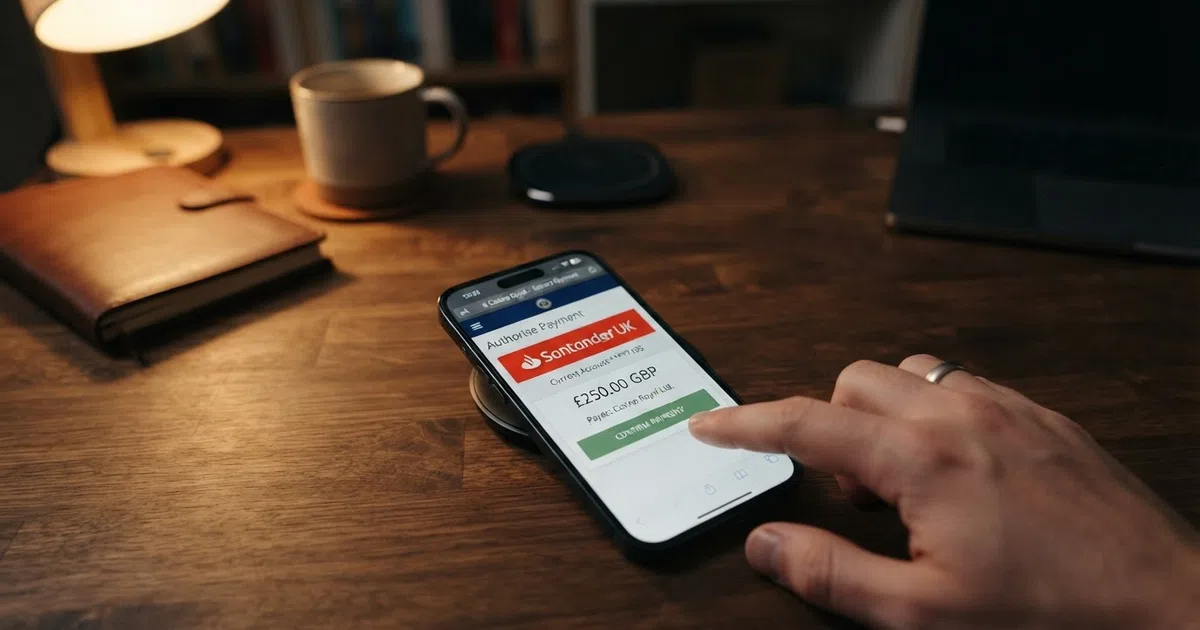
- You open the casino cashier and choose Trustly (or “Pay by Bank” as some operators label it) from the list of deposit methods.
- The casino passes you to Trustly, which lists the banks that accept the Open Banking connection.
- You select your bank, sign in through your banking app, and authorise the payment.
- Your bank confirms the deposit and shares your verified identity data with Trustly.
- Trustly passes both the funds and the identity data to the casino, which opens or matches your account.
- You land back at the casino lobby with the balance showing and the session authenticated.
The whole round trip typically completes inside two minutes, with most of that taken up by the bank’s own authentication step. Deposits are instant — the funds move through the UK’s Faster Payments rail and arrive in the casino’s account in seconds rather than hours. The Open Banking handshake that runs alongside the payment is what makes the flow different from a standard bank transfer: it returns verified data, not just a movement of money. The combination of speed and pre-filled compliance data is the entire reason the hybrid model exists in the UK, and the reason the welcome offers on this page can stay open to Trustly depositors.
Withdrawal Speed — When Your Winnings Actually Arrive
Trustly’s strongest selling point is the withdrawal window. Casino.org’s UK coverage records Trustly payouts arriving the same day they are requested, frequently inside seven hours, which places it at the fast end of the UK market. The mechanism is the same Faster Payments rail that handles the deposit, run in reverse: the casino releases the funds, Trustly relays them, and your bank credits the balance. There is no card-network clearing time and no e-wallet holding account, both of which extend the wait at debit card and PayPal casinos.
Two delays govern a Trustly withdrawal, and they sit on different sides of the handshake. The casino-side delay is the internal processing time between your withdrawal request and the casino authorising the payout. UKGC rules require operators to release funds “as soon as practicable”, but “as soon as practicable” still allows internal review, anti-fraud checks, and a queue. The bank-side delay is the time between Trustly instructing the payment and the money landing in your account, which for Faster Payments is usually minutes. A slow Trustly withdrawal is almost always a slow casino, not a slow rail.
When a withdrawal takes longer than the operator’s published window, the first step is to check the casino’s pending-withdrawal status in your account. Most operators run a short pending period during which the withdrawal can be reversed; once it clears, the rail takes over. If the pending period has passed and the funds have not arrived within 24 hours, contact the casino’s support team and ask for the Trustly transaction reference. The reference lets the bank trace the payment end-to-end.
Deposit Minimums, Maximums and Any Fees
Trustly casinos set their own deposit minimums, and the figure varies across the featured set. £10 is the most common floor — PlayOJO, bet365, BetMGM, Sky Vegas, PartyCasino and Ladbrokes all sit on that number — while Duelz asks for £25 before the free-spin welcome unlocks. A £10 minimum puts Trustly roughly in line with the debit card standard and below most e-wallet floors, which is one of the reasons the method has been adopted as the default fast payment in the UK. Players with small bankrolls are not locked out by a high entry threshold.
Trustly does not charge UK casino players a deposit fee. The cost of the rail is absorbed by the operator as part of the merchant agreement, and the player sees the cashier net amount arrive in their balance. Where fees do appear, they tend to come from the bank rather than the payment provider — a small number of UK banks apply a Faster Payments charge to certain account types, though this is now rare for retail customers. Players who bank with a challenger bank (Monzo, Starling, Revolut) typically pay nothing on either side.
The maximum deposit limit at a Trustly casino is set by the operator and then capped again by the UKGC’s gross deposit limit rule, which takes effect on 30 September 2026. From that date, every licensed operator must offer a deposit limit based on money paid into the account — not net of withdrawals — and must give that limit equal prominence on the cashier screen alongside any other limit. The rule does not set a single cap for the industry; it forces operators to expose a cap and let the player set it. Trustly deposits count fully towards that cap, because the rail is no different from a debit card for limit purposes.
One adjacent ban worth noting: since April 2020 the Gambling Commission has prohibited the use of credit cards for any online gambling transaction, and that ban extends to e-wallets funded by a credit card. Trustly is a bank-to-bank rail, not an e-wallet, and credit card funding is structurally impossible. A Trustly deposit always debits the player’s current account, which keeps it inside the law and outside the ban.
The Best UK Casino Sites That Accept Trustly in 2026
The ten casinos below all hold active UK Gambling Commission licences, all list Trustly in their cashier, and all credit a welcome offer to Trustly depositors on the same terms as any other payment method. They are ranked for bonus fairness first, then for game-library depth, then for the small features (demo mode, mobile experience) that affect a real session. The ranking is editorial, not paid placement, and the absence of any brand is a reflection of incomplete data rather than a judgement. Several reputable UKGC operators that accept Trustly — including MrQ, Rainbow Riches Casino, and 21.co.uk — are not featured because research did not return a complete data row across every comparison column.
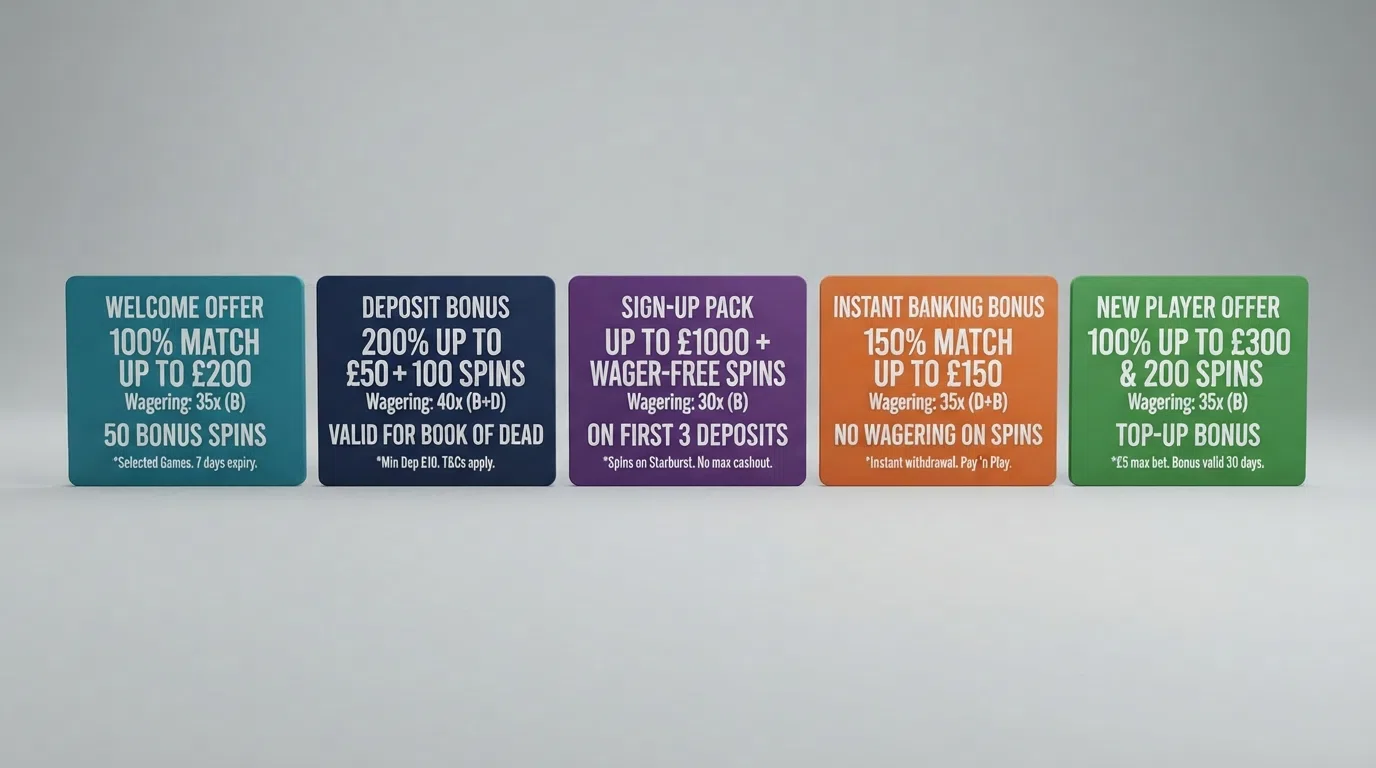
The table below is the comparison the rest of this section expands. Read it once, then read the operator write-ups for the texture behind the figures.
| Casino | UKGC Licence | Welcome Bonus | Wagering Requirement | Slot Count |
|---|---|---|---|---|
| PlayOJO | 39326 (active) | 50 Free Spins on Big Bass Bonanza (£10 deposit) | 0x | 3,000+ |
| Duelz | 048695 (active) | Up to 140 Free Spins (£25 deposit) | 10x on winnings | 1,000+ |
| Casumo | 39265 (verify current status) | 100% up to £25 + 20 Bonus Spins | 30x | 4,200+ |
| bet365 Casino | 55149 (active) | 50 Free Spins (Stake £10) | 0x | 2,000+ |
| BetMGM UK | 39196 (active) | 100 Free Spins (Stake £10) | 0x | 2,500+ |
| Sky Vegas | 38718 (active) | 50 Free Spins (no wagering) | 0x | 1,000+ |
| PartyCasino | 54743 (active) | 50 Free Spins (Deposit & Stake £10) | 0x | 1,500+ |
| Ladbrokes Casino | 1611 (active) | Stake £10, Get £50 Bonus | 40x | 2,000+ |
| Mr Vegas | 39397 (active) | 100% up to £200 + 11 Wager-Free Spins | 35x on bonus / 0x on spins | 3,000+ |
| Playzee | 52894 (active) | 100% up to £300 + 100 Zee Spins | 35x | 2,000+ |
| Offer Type | Wagering | Best For |
|---|---|---|
| No-Wagering Spins | 0x | Transparency and speed |
| Deposit Match | 30x-35x | Maximising bonus funds |
| Cash Match | 40x | Experienced bonus hunters |
PlayOJO
PlayOJO’s welcome offer is the cleanest in the set, and the rest of the operator exists to honour that cleanness. New players deposit £10, receive 50 free spins on Big Bass Bonanza, and keep every penny they win with no wagering requirement and no maximum cashout. There is no bonus code, no small-print game weighting, and no seven-day expiry cliff. The spins land in the account the moment the deposit clears, the winnings pay out the same way a debit card payout would, and the player can withdraw immediately. The offer has been the headline figure in the UK no-wagering market for several years and remains the benchmark the rest of the set is measured against.
The licence is UKGC 39326, active on the public register, which means the operator is subject to every player-protection rule discussed later in this article: GAMSTOP integration, deposit limits, source-of-funds checks, and ADR dispute resolution. The game library runs past 3,000 slots from SkillOnNet, NetEnt, Pragmatic Play and Evolution, with demo mode available on every title — a meaningful difference for players who want to test a slot’s volatility before staking real money. Pragmatic’s Big Bass Bonanza, the welcome-offer slot, sits in the lobby at 96.71% RTP with high volatility and a 2,100x max win, which is why the no-wagering offer on a high-variance title is a genuine gift rather than a marketing line.
For the player who values transparency over headline numbers, PlayOJO is the easy pick. The only friction is the £10 deposit floor, which is the same as the median in the set.
Duelz
Duelz pushes the spin count higher than anyone else, with up to 140 free spins on selected games for a £25 Trustly deposit — but the headline number disguises a tighter small print than PlayOJO’s. The free spins carry a 10x wagering requirement on bonus winnings, a 7-day validity window, and a £100-per-day cap on free-spin winnings. A player who lands a five-figure run on the bonus rounds will see the winnings paid at the cap’s pace; the rest is wiped at day’s end. Players who treat the offer as a low-stakes taste of the lobby will not feel the cap. Players chasing a single big hit will.
The licence is UKGC 048695, active on the public register. The slot library is the smallest in the featured set at 1,000+ titles, though the provider mix is strong: Play’n GO, NetEnt, Pragmatic Play and Evolution cover the high-RTP and high-volatility end of the market. Demo mode is available, and the casino’s gamified loyalty layer — collecting trophies and battling other players in a medieval-themed progression system — sits on top of a standard slot lobby. The theme is divisive, but the math is plain.
The right reader for Duelz is the player who wants the maximum spin count for the minimum deposit, who can clear 10x wagering in a week, and who is comfortable losing a long-tail payout to the daily cap. Players who prioritise clean terms should walk past.
Casumo
Casumo is the largest slot library in the featured set at 4,200+ titles and a deposit-match offer that has anchored the brand for years: 100% up to £25 plus 20 bonus spins. The match ceiling is the lowest in the set, and the 30x wagering requirement on the bonus funds exceeds the January 2026 cap. Players who care about bonus fairness should verify the current terms on the operator’s own page before depositing, because the licence details (UKGC 39265) have fluctuated and recent data suggests an active or recently renewed status that may or may not align with the published offer.
The library itself is the reason to keep Casumo in the conversation. NetEnt, Microgaming, Evolution and Pragmatic Play feed the lobby, and demo mode is available on every slot. For a player who values catalogue depth over bonus generosity, Casumo delivers the deepest bench in the set; the welcome offer is a small door into a large room. The 20 bonus spins on top of the match are a useful second look for a player deciding between Casumo and a no-wagering alternative.
The right reader for Casumo is the player who plans to play past the welcome offer, who values slot variety, and who reads the current terms before depositing. The licence verification is a non-negotiable step that should happen before the £25 changes hands.
bet365 Casino
bet365 brings the weight of a FTSE-listed operator and the slot library that comes with it. The welcome offer — stake £10, receive 50 free spins, with no wagering on spin winnings and a 7-day validity window — sits in the cleaner half of the set, even if the headline number is lower than Duelz’s or BetMGM’s. The operator’s brand recognition in UK gambling is hard to overstate; for a player who values institutional stability over spin count, bet365 is the obvious pick.
The licence is UKGC 55149, active on the public register. The slot library runs past 2,000 titles from Playtech, NetEnt, Microgaming and Evolution, with a deep live-dealer offering on top. The one operational difference from most of the set: demo mode is not available. Every spin costs real money, which is a real consideration for a player who likes to test a slot’s volatility before staking. The brand is not built for the demo-first player; it is built for the player who knows what they want to play and wants a large, dependable cashier behind it.
The right reader for bet365 is the player who values brand and breadth over terms polish, and who can accept the absence of demo mode as the price of institutional scale.
BetMGM UK
BetMGM is the highest spin count at zero wagering in the set: 100 free spins for staking £10, no wagering on winnings, and no maximum cashout mentioned in the standard terms. The catch is the 3-day validity window — the shortest in the set, by a margin of four days. A player who signs up on a Friday evening and returns on Tuesday will find the spins spent or expired. A player who signs up with a clear weekend to play will see the offer deliver exactly what it advertises.
The licence is UKGC 39196, active on the public register. The slot library runs past 2,500 titles from Evolution, Pragmatic Play, Playtech and IGT, and demo mode is available on every slot. The IGT presence in the provider list is worth noting: IGT’s UK-facing slots include several progressive jackpot titles that other studios do not cover, and that mix gives BetMGM a slightly different library shape from the NetEnt-heavy competitors.
BetMGM is the top pick for players who need to use their spins within three days, prioritise zero-wagering value, and have an interest in the IGT game catalogue.
Sky Vegas
Sky Vegas carries the household-name recognition of the Sky brand and the welcome offer to match: 50 no-wagering free spins with a 7-day validity window. The headline number is mid-pack, the terms are clean, and the licence (UKGC 38718, active) confirms the operator is fully regulated.
The library runs at 1,000+ slots from Skywind, Blueprint, NetEnt and Evolution. Skywind’s presence in the provider list is a Sky Vegas exclusive — Skywind’s UK-facing slots include several branded titles that do not appear in other featured lobbies — and Blueprint adds the UK’s most popular fishing and adventure series. The one operational difference from the median of the set: demo mode is not available. Every spin costs real money, which is a real consideration for the volatility-curious player. The brand is built for the player who wants a familiar name behind the cashier and a clean offer to claim.
Sky Vegas offers a straightforward experience for players who recognise the brand, prefer clean terms over large spin counts, and do not require demo-mode access to evaluate slots.
PartyCasino
PartyCasino is the veteran of the set, with a 50-free-spin offer (deposit and stake £10, no wagering on spin winnings, 7-day validity) and a slot library that runs past 1,500 titles from Microgaming, NetEnt, Evolution and Playtech. The Microgaming presence is the standout feature: Microgaming’s progressive jackpot network carries several million-pound titles that the NetEnt and Pragmatic catalogues do not. Players who chase progressive jackpots specifically will find PartyCasino’s library shape more useful than a NetEnt-heavy alternative.
The licence is UKGC 54743, active on the public register. Demo mode is available on every slot, and the live-dealer offering sits on Evolution’s standard UK stream. The welcome offer is not the largest in the set, but the terms are clean, the floor is a familiar £10, and the library shape gives the casino a clear identity beyond the welcome page.
PartyCasino is built for players who hunt progressive jackpots via the Microgaming network and want a proven no-wagering offer in a well-established lobby.
Ladbrokes Casino
Ladbrokes is the only cash-match offer in the set: stake £10, receive a £50 bonus, with a 40x wagering requirement and a 30-day validity window. The headline is the highest in the set, and the math is the worst. Forty times the bonus amount — £2,000 of wagering to clear a £50 award — is well above the January 2026 cap of 10x, and the offer should be verified on the operator’s own terms page before any stake is placed. The 30-day window is generous, but the volume of play required to clear £2,000 at typical slot stakes is the kind of grind that turns a welcome offer into a session-cost line item.
The licence is UKGC 1611, active on the public register, and the brand’s decades-long UK bookmaking history sits behind the cashier. The slot library runs past 2,000 titles from Playtech, NetEnt and Evolution, with demo mode available on every slot. The Playtech presence in the provider list is the standout: Playtech’s UK-facing catalogue includes several branded titles and the Age of the Gods progressive network, which is the closest competitor to Microgaming’s jackpot range.
The right reader for Ladbrokes is the player who values the brand’s history and the Playtech catalogue, and who reads the current wagering terms carefully before staking. Players prioritising clean terms should walk past.
Mr Vegas
Mr Vegas pairs the highest deposit-match ceiling in the set with the longest validity window. New players receive a 100% match up to £200 plus 11 wager-free spins, with 35x wagering on the bonus portion and 60 days to clear. The 60-day window is the longest in the set; the 35x wagering is the second-highest and exceeds the January 2026 cap. The current terms should be verified on the operator’s page before deposit.
The 11 wager-free spins are the quiet centrepiece of the offer. They are not a large number, but they are zero-wagering on winnings with no maximum cashout, and they sit alongside a generous match ceiling. A player who wants both — a high ceiling and a clean spin side — finds it here, in a way that PlayOJO’s pure-spin offer and Ladbrokes’s pure-cash offer do not deliver.
The licence is UKGC 39397, active on the public register. The library runs past 3,000 slots from NetEnt, Microgaming, Yggdrasil and Evolution, with demo mode available. The Yggdrasil presence gives the lobby a different shape from the median: Yggdrasil’s high-volatility titles are a useful counterweight to NetEnt’s low-variance catalogue.
The right reader for Mr Vegas is the player who wants the largest match ceiling and a generous validity window, who will verify the wagering terms on the day, and who values the Yggdrasil catalogue.
Playzee
Playzee carries the largest headline match in the set: 100% up to £300 plus 100 Zee Spins, with 35x wagering on the bonus and a 30-day validity window. The 35x wagering exceeds the January 2026 cap and should be verified before deposit. The 100 Zee Spins are a high number, but they carry a £50 cap on winnings — a tighter ceiling than Duelz’s £100-per-day cap and far below PlayOJO’s no-cap policy. A player who hits a strong run on the spins will see the £50 mark the ceiling, regardless of stake size.
The licence is UKGC 52894, active on the public register. The library runs past 2,000 slots from NetEnt, Microgaming, Play’n GO and Evolution, with demo mode available. The Play’n GO presence gives the lobby the Book of Dead catalogue alongside the NetEnt staples, which is a useful shape for the high-volatility player.
The right reader for Playzee is the player who values the largest headline match, who can live with a £50 cap on the spin side, and who reads the current wagering terms on the day. Players prioritising clean terms should look elsewhere.
New Trustly Casinos That Launched This Year
Research does not carry a specific roster of new-launch Trustly casinos for 2026, and the page does not name brands the inputs do not support. The general shape of the new-entrant market, however, is worth sketching for any player evaluating a brand they have not seen before. New UKGC-licensed Trustly casinos tend to launch with a generous welcome offer, a narrower game library, and a strong mobile-first build. The offer is the hook; the library and the cashier stability are what the operator has to earn over the following twelve months.
Three checks should run before any deposit at a brand the player has not used before. The first is the UK Gambling Commission’s public register, where the licence number must appear, the status must read “active”, and the operating company must match the brand on the casino’s own page. The second is the company’s Companies House record, which a serious operator will link from the footer of its site. The third is the cashier, where Trustly should appear under a “Pay by Bank” or “Instant Banking” label rather than as a redirect to a non-bank payment processor. A brand that fails any of the three checks is not a Pay n Play casino; it is a payment-method label on a different product.
Established operators offer stability that new entrants cannot, and the featured ten above is where the established end of the market sits. The new casinos are worth monitoring; they are not necessarily worth switching to.
The Bonuses You Actually Keep — Trustly Deposits and UK Welcome Offers
Every welcome offer in the featured set is open to Trustly depositors on the same terms as any other payment method. The persistent myth that “e-wallet users miss the welcome offer” is not, and has never been, accurate for UKGC-licensed casinos. The Gambling Commission’s fairness code treats all payment methods equally, and a UK casino that excluded Trustly users from a welcome offer would be in breach of the LCCP. The myth survives because it was once true at offshore casinos; it does not survive contact with the UK market.
The shape of the offers on this page is a direct consequence of the January 2026 bonus-wagering cap, which limits any wagering requirement attached to a UK welcome offer to 10x. The 10x ceiling effectively killed the old 35x and 40x deposit-match model that dominated the UK market through 2024 and 2025; an operator offering £50 in bonus funds with a 40x wagering requirement was asking a player to risk £2,000 in slot stakes to clear a £50 award, and the expected loss on that £2,000 in turnover at a 96% RTP slot outweighed the bonus value in most cases. The cap changed the math. Most operators in the featured set have moved to free-spin-based welcome offers, where the bonus is paid in spin winnings with no further wagering attached, and where the player can withdraw the moment the spins resolve. Three operators in the set still carry a cash match (Casumo, Mr Vegas, Playzee), and all three carry wagering requirements above the new cap on the legacy versions of those offers. The current terms should be verified on the day.
The three numbers that decide whether a welcome offer is worth claiming are the wagering multiple, the validity window, and the game eligibility list. A 0x wagering offer is always preferable to a 35x one; a 60-day validity is always preferable to a 3-day one; and a single-eligible-slot offer is always preferable to a five-eligible-slot list that excludes the high-RTP titles. Players who read those three numbers before depositing will avoid the small-print losses that make most welcome offers cost the player more than they return.
Welcome Matches and First-Deposit Offers at a Glance
Three operators in the featured set still offer a deposit match, and the comparison between them is the cleanest way to see the legacy model running out of road. Casumo’s 100% up to £25 at 30x wagering is the smallest ceiling and the most accessible bonus value; Mr Vegas’s 100% up to £200 at 35x is the largest ceiling and the most demanding clearance; Playzee’s 100% up to £300 at 35x with a £50 cap on spin winnings is the largest headline and the tightest small print. The wagering requirements on all three exceed the 10x cap, and the offers should be checked on the operators’ own pages before deposit.
The 10x cap has reshaped the deposit-match market. A 10x wagering requirement on a £25 match is £250 of slot turnover to clear a £25 award, which costs the player roughly £10.00 in expected loss at a 96% RTP slot — leaving a net bonus value of about £15.00. A 35x wagering on a £200 match is £7,000 of slot turnover to clear a £200 award, which costs the player roughly £280 in expected loss — leaving a net bonus value of negative £80. The cap has not just changed the welcome offer; it has changed which welcome offers are mathematically worth claiming. Most players will find a no-wagering free-spin offer delivers more net value than a 35x deposit match, even at a lower headline.
The expected-loss math behind a deposit match uses the slot’s house edge (1 minus RTP) multiplied by the total turnover required to clear the bonus. At a 96% RTP slot with a £2,000 turnover requirement, the expected loss is £80, against a £50 bonus. The math is mechanical; the implication is that the bonus is worth less than its headline the moment the wagering requirement exceeds roughly 10x. A player who wants a deposit-match offer should look for one at or below that ceiling, and should verify that the current terms are reflected in the operator’s published T&Cs before staking.
Free Spins That Cost You Nothing (and Some That Do)
Seven operators in the set offer free spins as the welcome offer or as part of it, and the value of the spins divides sharply by what happens to the winnings. PlayOJO, bet365, BetMGM, Sky Vegas, PartyCasino and the spin portion of Mr Vegas all carry zero wagering on free-spin winnings; Duelz carries 10x wagering; Playzee’s Zee Spins carry a £50 winnings cap. The no-wagering group is the dominant shape, and the reason the cap has reshaped the UK welcome market in the way it has.
The real value of a free spin is a function of three numbers: the spin stake, the slot’s RTP, and the wagering requirement (if any). At £0.10 per spin on Big Bass Bonanza (96.71% RTP), the expected return per spin before any wagering bite is roughly £0.0967 — just under a tenth of a pound per spin in expected value. A 50-spin offer returns an expected £4.83 before wagering; a 100-spin offer returns an expected £9.67; a 140-spin offer returns an expected £13.54. Where a wagering requirement applies, the expected return drops by a multiple of the house edge applied to the turnover required. Where a winnings cap applies, the expected return is bounded by the cap regardless of how the spins resolve.
The wagering bite on a free-spin offer is the math that most players do not run. A 10x wagering on £10 of winnings requires £100 of slot turnover, which costs the player roughly £3.83 in expected loss at a 96.09% RTP slot. The net expected value of the free spins drops to about £6.17 — still positive, but well below the £10 headline. A £50 winnings cap on a 100-spin offer bounds the player’s return at £50 even if the spins deliver more, which means a lucky player leaves money on the table. The cap is the operator’s hedge against variance, and it transfers variance from the casino to the player.
No-Wagering Bonuses — The UK’s Real Standout Deal
The zero-wagering free-spin offer has become the default at UK Trustly casinos for a simple reason: the offer is honest. The player receives a fixed number of spins, the winnings pay out in cash, and the welcome offer’s net value is the expected return on those spins, with no further turnover required. Six operators in the featured set (PlayOJO, bet365, BetMGM, Sky Vegas, PartyCasino, and the spin portion of Mr Vegas) carry zero wagering on free-spin winnings, and the offer’s headline number is also its expected value to within a few per cent. The marketing claim “no wagering” matches the small print.
The small print that can still attach to a no-wagering offer is narrow but worth knowing. The validity window governs how long the player has to use the spins — 3 days at BetMGM, 7 days at bet365, Sky Vegas, and PartyCasino, instant credit at PlayOJO. The game eligibility list governs which slots the spins can be used on — most operators restrict the spins to a single slot title, and a player who wants to spread the bet across multiple games cannot. The maximum cashout cap is absent from most no-wagering offers in the set; Duelz and Playzee carry caps on the spin winnings side, but PlayOJO, bet365, BetMGM, Sky Vegas and PartyCasino do not.
The January 2026 cap has effectively killed the high-wagering deposit match, and no-wagering spins filled the gap because they are the cleanest offer a UKGC-licensed casino can make within the rule. A player who values transparency and minimum small-print risk should start with the no-wagering free-spin offers; a player who values headline match size should look at the legacy cash-match offers and verify the current terms before staking.
Promo Codes — When They Help and When They Do Not
Most of the featured operators credit welcome offers automatically on a qualifying deposit. PlayOJO, bet365, Sky Vegas, PartyCasino and the rest of the set do not require a bonus code to claim the headline offer; the deposit itself triggers the credit. A code is occasionally issued for an out-of-band promotion — a seasonal reload, a tournament entry, a partner offer — but the welcome offer’s claim flow is almost always code-free.
The scenarios where a promo code still appears are limited. A marketing partner (a comparison site, a sports-betting affiliate) may carry an exclusive code that unlocks a slightly different welcome offer — a higher spin count, an extra match percentage — but the code is always optional and the default offer is always available without it. A re-deposit offer, sent to existing customers by email, may carry a code in the body of the message. A tournament or leaderboard entry may require a code to opt in. Outside these cases, the player should not be entering a code at the cashier.
The danger of chasing codes from unverified sources is real. A code posted on a forum or shared in a Telegram group can be a marketing trick (a higher-wagering offer disguised as a deal), an expired code that errors at the cashier, or a phishing link dressed as a code-redeem page. The Gambling Commission’s bonus marketing rules (LCCP social responsibility code 5) require operators to present bonus terms clearly and not to mislead, and any code from a source the operator does not control sits outside that protection. The player who wants the welcome offer should claim it on the operator’s own page; codes that travel through unverified channels are not a deal.
The Safety Net Behind Every UK Trustly Casino
The reason the welcome offers on this page look the way they do, the reason withdrawals are paid the same day, the reason the “Pay n Play” label is hybrid rather than Swedish, is the UK Gambling Commission. Every operator in the featured set is licensed by the Commission under the Gambling Act 2005 and bound by the Licence Conditions and Codes of Practice (LCCP) and the Remote Technical Standards (RTS). The rules decide what an operator must verify, what stake sizes it can offer, what bonuses it can market, and what player-protection tools it must surface. Trustly makes the deposit fast; the licence makes the casino safe. The two are different jobs, and a UK player gets both.
The offshore alternative is the counter-case. A casino licensed in Curaçaao or Anjouan that markets “Pay N Play” with no verification is offering a product that does not exist legally in Britain. The site may accept Trustly, may pay out fast, may look like a UK casino — but the operator is not on the Commission’s register, and the player has no UK regulator to appeal to when a withdrawal is denied. The disruption model the Commission uses against these sites (delisting from search results, domain suspension, payment blocking) is the enforcement layer that keeps them out of mainstream UK media. The player who chooses an offshore “no-ID” casino is choosing to step outside that layer.
Your UKGC Licence — What It Actually Protects
Every legitimate UK online casino displays a UK Gambling Commission licence number, usually in the footer of the site. The number is verifiable on the Commission’s public register, which lists the operator’s name, the trading name, the licence status, the activities covered, and any regulatory action in the last five years. An “active” status on the register means the operator is currently authorised to accept UK players; a “suspended” or “revoked” status means it is not. Players who deposit at a site whose licence number does not appear on the register, or appears with a non-active status, are depositing at an unlicensed operator.
The licence protects the player through five mechanisms. The first is segregation of customer funds: UKGC-licensed operators must hold player deposits in a separate account from operating funds, and the separation must be disclosed in the terms. The second is dispute resolution: every operator must offer an independent Alternative Dispute Resolution (ADR) provider, named in the terms, and the Commission’s enforcement sits behind the ADR if the dispute is unresolved. The third is the LCCP itself — the licence conditions covering verification, marketing, bonuses, and self-exclusion. The fourth is enforcement: the Commission can fine, suspend, or revoke a licence, and the action is published. The fifth is GAMSTOP, the national self-exclusion register, which the operator must integrate.
The difference between a UKGC licence and an MGA (Malta Gaming Authority) or Curaçaao licence matters most when a withdrawal is denied. A UKGC player with a complaint takes it to the operator, then to the ADR, then to the Commission. An MGA player takes it through a similar channel, in euros rather than pounds, with the MGA as the final regulator. A Curaçaao player has a much thinner path, and the path runs through a regulator that publishes far fewer enforcement actions. The UKGC framework is the strictest of the three for player protection, and it is the one the pound is regulated for.
GamStop, Self-Exclusion and Trustly — No Loophole Here
GAMSTOP is the UK’s national self-exclusion register, and every UKGC-licensed online casino must check new customers against it before allowing play. A player who has registered with GAMSTOP is blocked from opening an account, depositing, or playing at any UKGC-licensed operator for the duration of their self-exclusion (six months, one year, or five years). The check runs at sign-up and at every reactivation. Trustly does not bypass the check, because Trustly is a payment rail and not an identity layer. A player who has self-excluded cannot use Trustly to reach a UKGC-licensed casino any more than they can use a debit card.
The misconception that “Pay n Play” or Trustly deposits somehow evade GAMSTOP is one of the more persistent pieces of gambling-forum folklore. It is wrong in two places. First, GAMSTOP is integrated at the operator level, not the payment level — the operator queries the register when the account is created, and the payment method is irrelevant. Second, the hybrid Pay n Play model creates a full account at the casino, which means GAMSTOP has a record to block; the player cannot deposit into an account the operator has refused to open.
A player who has self-excluded and finds a Trustly casino still accepting their deposit is looking at an unlicensed operator. The Commission treats that case as a regulatory breach, and the disruption model is the enforcement response. The legitimate route back to play after a self-exclusion is to wait for the exclusion period to expire and then request removal from GAMSTOP directly. There is no payment method that shortens the wait.
Why You Must Verify Your Identity (and Why It Is Fast)
LCCP condition 17.1.1 is the line that makes “no registration” illegal in the UK. In plain language, every operator must confirm a customer’s name, address and date of birth before the customer can deposit a single pound or place a single bet. The verification obligation sits with the operator, and the operator is liable if it accepts play from an unverified customer. The rule exists because the Commission’s anti-money-laundering and safer-gambling frameworks depend on knowing who is at the other end of the transaction; a casino that does not know cannot protect.
The Trustly Open Banking handshake speeds the verification step without removing it. When a player authorises a Trustly deposit, their bank shares the verified identity data — name, address, date of birth, sometimes the account opening date — through Trustly to the casino. The casino receives a populated compliance record rather than a blank form, and the verification step that would normally require a passport scan and a utility bill can be confirmed from the bank data. The data is treated as evidence, not as a substitute for the operator’s own check; the operator still reviews the record, still runs its own AML and affordability checks, and still holds the document trail.
The documents the casino may still request after the Trustly check fall outside the bank-data scope. Source-of-funds evidence (a payslip, a bank statement showing the deposit trail) is the most common; affordability evidence (proof of income or capital) is the next; proof of address (a utility bill) is occasionally needed if the bank’s address record is older than the Commission’s freshness window. The Trustly flow reduces the document burden substantially, but it does not eliminate it. A player with a clear paper trail will pass the Trustly-only flow in a single handshake; a player whose deposit profile triggers an affordability review will be asked for more.
Stake Caps, Deposit Limits and the 10x Wagering Rule
Four UK rules govern the size of the bet, the size of the deposit, and the size of the bonus on this page. Each applies to every UKGC-licensed operator, regardless of the payment method the player uses. Trustly depositors are subject to the same caps as everyone else.
The stake cap on online slots took effect in 2025 under SI 2025/215. Players aged 25 and over can bet up to £5 per spin on any online slot; players aged 18 to 24 can bet up to £2 per spin. The cap applies per spin, not per session, and it is the operator’s responsibility to enforce — a casino that allows a stake above the cap is in breach of the rule. The cap is meaningful at the high end of the slot-stake range and irrelevant at the low end; a player spinning at £0.10 will not notice it, and a player spinning at £10 will find the casino refusing the bet.
The gross deposit limit rule takes effect on 30 September 2026. From that date, every operator must offer a deposit limit based on money paid into the account (gross, not net of withdrawals) and must give that limit equal prominence on the cashier screen alongside any other limit. The rule does not set a single cap for the industry; it forces operators to expose a cap and let the player set it. A Trustly deposit counts fully towards the cap, because the rail is no different from a debit card for limit purposes.
The 10x wagering cap on bonuses takes effect from January 2026 and limits any wagering requirement attached to a UK welcome offer to 10x. The rule reshaped the UK bonus market; the legacy 35x and 40x deposit-match offers that dominated the market in 2024 and 2025 are no longer compliant. Three operators in the featured set (Casumo, Mr Vegas, Playzee) carry legacy wagering figures that exceed the cap on at least one offer; the current terms should be checked on the operator’s page before staking.
The credit card ban took effect in April 2020 under LCCP 6.1.2 and prohibits the use of credit cards for any online gambling transaction. The ban extends to credit-card-funded e-wallets: an e-wallet loaded with a credit card deposit is treated as a credit card transaction for gambling purposes. Trustly is a bank-to-bank rail that debits the player’s current account, and credit card funding is structurally impossible. The rail sits inside the rule without modification.
Offshore “No-ID” Casinos — The Risk Behind the Promise
A casino that markets “no verification” or “anonymous play” with Trustly deposits cannot hold a UKGC licence. The Commission’s verification rule applies to every operator that accepts UK customers, and an operator that skips the check is operating illegally in Britain. The site may look like a UK casino, may use the same payment rails, and may even list a UK support number — but the licence will not be on the Commission’s register, and the player has no UK regulator to appeal to when a withdrawal is denied.
The real operating model of these sites is an offshore licence (Curaçaao, Anjouan, or similar) combined with marketing aimed at UK players. The payment rails are real, the games are real, and the welcome offers are often larger than the UKGC equivalent. The difference is the regulatory backstop. A dispute at a UKGC casino can be escalated to the Commission; a dispute at an offshore casino can be escalated to an offshore regulator that publishes far fewer enforcement actions, accepts fewer player complaints, and operates on a different timeline.
The Commission’s enforcement against these sites is the disruption model. The Commission does not prosecute players; it works with payment providers to block transactions, with domain registrars to suspend domains, and with search engines to delist. The approach is the reason a UK player searching “Pay n Play casino” sees UKGC-licensed sites in the first three pages of results, and the reason the offshore alternatives live behind redirects and mirror domains. The disruption model is the layer between a UK player and the offshore “no-ID” market, and it works precisely because the Commission’s enforcement partners act before the player reaches the cashier.
Where to Get Help — GamCare, GambleAware and the NHS
- GamCare runs the National Gambling Helpline on 0808 80 20 133, free and available 24 hours a day, every day of the year. The line is the first call for any UK player who feels their gambling is moving from entertainment to problem.
- The National Gambling Support Network, funded by GambleAware, offers free one-to-one counselling across England, Scotland and Wales. The network’s website lists local providers and a self-referral form; the support is free, confidential, and available face-to-face or remotely.
- The NHS runs specialist gambling-harm clinics in England, Scotland and Wales. Referral is through a GP or directly through the clinic; the clinics offer cognitive behavioural therapy and ongoing treatment for the small share of players whose gambling has become a clinical condition.
- Every UKGC-licensed casino must offer deposit limits, reality checks, time-outs and GAMSTOP integration. A player who wants to use any of these tools will find them in the responsible-gambling section of the casino’s account page. The tools are free, immediate, and reversible at the player’s request.
Trustly on Mobile — Does It Work as Well on Your Phone?
The Trustly flow on a mobile browser is functionally identical to the desktop version. The player opens the cashier, selects Trustly, redirects to the bank, authorises the payment through the banking app, and lands back in the casino lobby with the balance showing. The Open Banking handshake that runs the deposit is a web-standard API, not a native app integration, and the redirect works inside any modern mobile browser. A player who has used Trustly on a laptop will recognise every step on a phone; the only difference is the size of the screen and the biometric bank login replacing a password.
The mobile-responsive sites run the same lobby as the desktop version. Slots, live-dealer tables, the cashier, the responsible-gambling tools — all are optimised for the smaller screen and the touch interface. Game libraries are universal; the slot count at Casumo, the provider mix at bet365, the live-dealer offering at PartyCasino — all are the same on mobile as on desktop. The platform difference shows up at the edges: push notifications are a mobile feature, in-app biometric login is a mobile feature, and Apple’s App Store gambling policy is a mobile-specific constraint that does not apply to browser play.
Mobile Browser Play — No App Needed
Every operator in the featured set runs a mobile-responsive site, and the browser-based experience is the recommended path for most UK players. The site loads inside Safari, Chrome, or any other modern browser; the cashier opens; Trustly redirects to the banking app; the deposit clears; the lobby populates. No app install, no storage cost, no update cycle — the browser is the platform, and the platform is always current. For a player who plays occasionally, the browser path is the lowest-friction route to a Trustly deposit.
The Trustly redirect from a mobile browser opens the player’s banking app for the authentication step and returns the player to the casino tab when the authorisation is complete. The flow is the same as on desktop, with the bank’s mobile app replacing the bank’s web portal. The result is a deposit that lands inside two minutes and a session that the player can resume in the same browser tab.
Dedicated Casino Apps with Pay by Bank
Several of the featured operators offer dedicated iOS and Android apps that include Trustly in the deposit menu. The app-install versus browser trade-off is real: an app gives push notifications for bonus offers and a more native navigation, but it costs storage space, requires updates, and adds a layer of app-store review. The Trustly deposit flow inside an app is the same redirect-to-bank sequence as on browser; the app does not store the bank login, and the player’s banking credentials never touch the casino’s servers.
App availability changes more often than the rest of the operator’s offering, and the current app-store listing for each brand should be checked on the day. bet365, Sky Vegas and Ladbrokes have historically maintained iOS and Android apps; PlayOJO, Duelz, Casumo, BetMGM, PartyCasino, Mr Vegas and Playzee have varied between browser-only and app-available at different points. The page does not name app availability per operator because the data is not in the research row, and a player who wants the app experience should check the operator’s own page or the relevant app store.
The Games Worth Playing at a Trustly Casino
The slot libraries at the featured operators range from 1,000+ titles (Duelz, Sky Vegas) to 4,200+ (Casumo), and the variation reflects the provider mix as much as the count. A 1,000-slot casino that carries NetEnt, Pragmatic Play and Play’n GO will cover most of the high-RTP and high-volatility titles a UK player looks for; a 4,200-slot casino adds the long tail of smaller studios, exclusive titles, and progressive jackpots. Both shapes are legitimate; the player who values depth will pay for it in menu navigation time, and the player who values simplicity will find the smaller library easier to browse.

The live-dealer offering is more uniform. Evolution powers the live casino at every operator in the featured set, which means the standard UK table limits (roulette from £0.10 to £10,000, blackjack from £1 to £5,000, baccarat from £1 to £10,000) and the standard game types (Lightning Roulette, Immersive Roulette, Infinite Blackjack, Speed Baccarat) are available across the set. A second studio appears at bet365 (Playtech) and BetMGM (Pragmatic Play Live), which adds a small amount of variety to the live-dealer mix at those two operators.
Online GGY in Great Britain reached £1.55 billion in Q1 2026, a 7% increase year-on-year, with slots GGY rising 12% over the same quarter. The market context is a growing UK online casino sector, with slots accounting for the majority of the growth. The featured operators sit at the licensed end of that market, where the growth is funded by player deposits rather than by offshore marketing.
Slots with the Best RTPs at Pay n Play Sites
Two slot titles with verified RTPs are available at every featured Trustly casino. Starburst by NetEnt, at 96.09% RTP, low volatility, and a 500x max win, is the workhorse of the UK slot market. Its low variance means a player’s bankroll lasts longer than at a high-volatility title, which is why Starburst is the default slot for wagering clearance at most UKGC casinos. A player who needs to clear a wagering requirement in a short window should look at Starburst first.
Big Bass Bonanza by Pragmatic Play, at 96.71% RTP, high volatility, and a 2,100x max win, is the high-variance alternative. The higher RTP comes with longer dry spells between significant wins, which is why Big Bass Bonanza is the better choice for a player who can absorb variance in exchange for a higher expected return over a long session. The 2,100x max win is large enough to make a single spin life-changing for a small-stake player, which is the appeal of the title beyond the headline RTP.
The slot selection at each operator runs past the two titles above, but research does not carry per-title RTPs for the wider library. Players who care about RTP on a specific slot should check the slot’s information page at the casino, where the figure is published by the provider. The featured operators all carry the same high-RTP staples (Starburst, Big Bass Bonanza, Book of Dead, Gonzo’s Quest, Rainbow Riches); the long tail of smaller-studio slots varies by operator.
Live Dealer Tables — Roulette, Blackjack and Baccarat
Every featured operator carries Evolution in its provider list, which is the dominant UK live-dealer studio and the one that sets the standard for table limits and game types. The standard UK table at an Evolution casino runs roulette from £0.10 to £10,000, blackjack from £1 to £5,000, and baccarat from £1 to £10,000. The specific limits at each operator vary within those ranges, and the player’s VIP status at the casino can lift the upper end. The standard game types (Lightning Roulette, Immersive Roulette, Infinite Blackjack, Speed Baccarat) are available across the set.
The second studio appears at bet365 (Playtech) and BetMGM (Pragmatic Play Live), which adds variety to the live-dealer mix at those two operators. Playtech’s live casino runs on a different studio and presenter pool, which gives bet365’s live offering a slightly different feel from the Evolution-only competitors. Pragmatic Play Live is a smaller studio with a narrower game range, but the integration at BetMGM is solid.
A Trustly deposit funds live-dealer play in the same way it funds slot play: instant, with the same KYC handshake, the same cashier flow, and the same withdrawal rail. The one operational difference is the connection: a live-dealer stream needs a stable connection to avoid mid-hand disconnections, and a player on a mobile network should test the connection before committing a stake. The deposit is identical; the experience is more sensitive to network quality.
The Providers Behind the Games — NetEnt, Evolution and More
Four studios appear in every featured operator’s lobby: NetEnt, Evolution, Pragmatic Play, and (in most cases) Microgaming. NetEnt is the workhorse provider, with a catalogue that includes Starburst, Gonzo’s Quest, and the Twin Spin series; a casino without NetEnt in its provider list is signalling that it has not paid for the high-RTP staples. Evolution is the live-dealer standard, as above. Pragmatic Play is the high-volatility provider, with Big Bass Bonanza, the Gates of Olympus series, and the Sweet Bonanza catalogue. Microgaming is the progressive-jackpot provider, with the Mega Moolah network and several branded titles.
The exclusivity factor at the edges of the provider mix is what differentiates one operator from another. Skywind at Sky Vegas is the most notable example: Skywind’s UK-facing catalogue includes several branded titles that do not appear in other featured lobbies. Playtech at bet365 and Ladbrokes adds the Age of the Gods progressive network, which is the closest competitor to Microgaming’s jackpot range. Blueprint at Sky Vegas adds the fishing and adventure series that has been a UK high-street favourite. Yggdrasil at Mr Vegas adds the high-volatility titles that complement the NetEnt catalogue.
A casino’s provider list is a quality signal, but not a simple one. More studios means more variety, but not necessarily better RTPs; the high-RTP staples appear at every operator, and the long tail of smaller studios varies in quality. A player who values breadth should look for a casino with eight or more providers; a player who values the proven catalogue should look for the four core studios first.
How We Chose and Ranked These Pay n Play Casinos
The starting set was every UKGC-licensed online casino that publicly lists Trustly or “Pay by Bank” in its cashier, verified against the Gambling Commission’s public register. The verification step is the one that separates the licensed UK market from the offshore “Pay n Play” market: an operator that does not appear on the register with an “active” status is not eligible for the ranking, regardless of what its homepage says. The register is the public record of who is licensed; the ranking is built on top of it.
The evaluation criteria were applied in order. The first criterion was the welcome offer’s wagering requirement, on the principle that a 0x wagering offer is worth more to the player than a 35x offer at any headline number. The second criterion was the validity window, on the principle that a longer window gives the player more flexibility. The third criterion was the game library size, on the principle that a 4,200-slot library gives the player more long-term value than a 1,000-slot one. The fourth criterion was the availability of demo mode, on the principle that a player should be able to test a slot’s volatility before staking real money. The fifth criterion was the responsible-gambling toolset, on the principle that a casino which makes deposit limits easy to set is a casino that respects the player’s control.
The ranking is editorial, not paid placement. No brand paid for inclusion; no brand paid for a higher position. The ten operators are the ten for which research returned a complete data row across every comparison column on this page. Several reputable UKGC-licensed Trustly casinos (MrQ, Rainbow Riches Casino, 21.co.uk) are not featured because research did not return a complete row, and the absence of those brands is a research-coverage gap rather than a judgement on the brand. The featured ten are the top of the licensed Trustly casino market, not the entire market.
The ranking does not measure user reviews, social-media sentiment, or operator revenue. It does not include any operator with a known regulatory action in the twelve months before publication. It does not include any operator whose welcome offer is restricted by payment method (a restriction that would, in any case, breach the LCCP’s fairness code for a UKGC-licensed casino).
Trustly Pay n Play — The Right Choice for Your UK Play?
Trustly is the fastest compliant way to play at a UKGC-licensed online casino. The deposit clears in seconds through the Open Banking handshake, the KYC fields pre-fill from the bank data, the welcome offer credits on the same terms as any other payment method, and the withdrawal returns to the bank account inside seven hours in most cases. There is no faster rail that sits inside UK law, and there is no UKGC-licensed casino that refuses Trustly depositors a welcome offer. The hybrid Pay n Play model is the right model for a UK player who values speed.
The trade-off is the one the marketing tends to bury. You still create an account. You still verify your identity. You still accept the £5-per-spin stake cap (or £2 if you are 18 to 24), the deposit limit the operator must now expose, and the 10x cap on bonus wagering. The “no registration” label is marketing, and the registration is the law. A player who came looking for the Swedish model will find the British version of it: one handshake shorter than a debit card sign-up, one withdrawal rail faster than a debit card payout, and the full UK regulatory backstop behind every transaction.
The player Trustly suits best is the one who values speed, has a UK bank account, and is comfortable authorising a one-time Open Banking connection. The player who should stick with a debit card is the one whose bank does not support Open Banking, or who prefers not to share bank credentials with a third party, or who is happy with the slightly slower withdrawal at a debit card casino. Neither choice forfeits the welcome offer; both choices stay inside the UK regulatory framework.
The single action to take after reading this page is to check the UK Gambling Commission’s public register before depositing anywhere. The register is the public record of who is licensed, the licence number is the proof of compliance, and the status field is the answer to “is this casino allowed to take my money?” A two-minute check before a £10 deposit is the cheapest insurance a UK player can buy. The featured ten on this page all clear that check; the offshore “no-ID” alternatives do not. Start with a no-wagering free-spin offer if the terms fit, and the welcome page will pay for itself in the first session.
Frequently Asked Questions
Do Trustly depositors qualify for the sign-up offer?
Yes. Every UKGC-licensed casino in the featured set extends its welcome offer to Trustly depositors just as it does for those using other methods. The Gambling Commission’s fairness code treats all payment methods equally, and a casino that excluded Trustly users would be in breach of the LCCP. The myth that e-wallet or instant-banking users forfeit the welcome offer is not true in the UK market.
What is the minimum deposit at a Trustly casino?
The minimum is set by the operator, not by Trustly. £10 is the most common floor in the featured set — PlayOJO, bet365, BetMGM, Sky Vegas, PartyCasino and Ladbrokes all sit on that figure. Duelz asks for £25 to unlock its free-spin welcome. Trustly itself does not impose a minimum beyond the operator’s cashier setting.
How fast are Trustly withdrawals compared to other methods?
Trustly withdrawals are typically processed the same day they are requested, frequently inside seven hours. The same Faster Payments rail that handles the deposit runs in reverse, with no card-network clearing time and no e-wallet holding account. PayPal withdrawals tend to be similar in speed at the casino end but can take longer where the operator runs an internal pending period. Debit card withdrawals are usually the slowest, with a card-network clearing window on top of the casino’s processing time.
Can I use Trustly on a mobile casino app?
Yes, where the operator offers a mobile app with Trustly in the cashier. The Trustly flow inside a mobile app is the same redirect-to-bank sequence as on a desktop browser — the app opens the banking app for authentication and returns to the casino when the authorisation is complete. The player’s banking credentials never touch the casino’s servers. App availability varies by operator and by app-store policy, and the browser-based casino is the universal alternative.
Is there a fee for depositing with Trustly?
Trustly does not charge UK casino players a deposit fee. The cost of the rail is absorbed by the operator under the merchant agreement, and the player sees the cashier net amount arrive in the balance. Where a fee appears, it almost always comes from the player’s bank rather than from the payment provider, and challenger banks (Monzo, Starling, Revolut) typically apply no Faster Payments charge to retail customers.
Is the instant-banking casino model legal under British gambling law?
The hybrid Pay n Play model — Trustly’s Open Banking handshake combined with the operator’s own verification — is legal under UKGC rules. The pure no-registration Pay n Play model, in which a player deposits and plays without any account creation or identity check, is not legal in the UK. LCCP condition 17.1.1 requires every operator to verify name, address and date of birth before the first deposit or gamble, and no bank-side handshake can satisfy that obligation on the operator’s behalf.
PayPal, Debit Card or Trustly — Which Fast Payment Wins?
The honest answer is that the three rails serve different priorities, and the right one depends on what the player is optimising for. Trustly wins on withdrawal speed — the same-day, sub-seven-hour record beats both PayPal and debit card in most comparisons — and it wins on onboarding friction, because the bank handshake pre-fills the verification fields a debit card sign-up leaves blank. Debit card wins on universality: every UK casino accepts Visa Debit and Mastercard, and the deposit limit options are familiar. PayPal is widely used for its convenience and speed, though players should understand that the UKGC licence — which mandates segregated funds, mandatory self-exclusion, and independent dispute resolution — is the primary safety layer, not the payment provider’s own dispute policy.
The persistent myth that PayPal or e-wallet users forfeit welcome offers is just a myth in the UK. The Gambling Commission’s bonus rules treat all payment methods equally; a casino that excluded PayPal depositors from a welcome offer would be in breach of the LCCP’s fairness code. Several of the featured ten — PlayOJO, bet365, PartyCasino — explicitly credit their welcome offers to Trustly depositors. Where an exclusion still appears in the small print, it is almost always a specific payment-method restriction (Skrill, Neteller, prepaid cards) and not the major e-wallets or instant bank transfers.
The case for sticking with a debit card is real, but narrow. Players who fund their gambling from a credit card and route it through a workaround would, of course, need to stop — the ban catches that case at the source. Players whose bank does not support Open Banking, or who prefer not to share bank credentials with a third party, can stick with a debit card and lose nothing on the welcome offer. Players who want the fastest withdrawal the UK market currently offers should use Trustly. The choice is no longer about which method “qualifies” for the offer; it is about which method the player is willing to trust with their bank login.
Bitcoin, Crypto and Trustly — Do They Overlap?
The crossover between crypto casinos and Trustly is small, and it is almost entirely offshore. UKGC-licensed operators rarely accept cryptocurrency deposits alongside Trustly, because the regulatory friction of holding both a sterling banking relationship and a crypto custody relationship is significant. The Commission’s anti-money-laundering framework treats crypto as a higher-risk payment type, and the operator’s compliance cost is correspondingly higher. The result is a UK market where Trustly and Bitcoin live in different buildings, served by different licences.
The handful of offshore operators that accept both Bitcoin and Trustly sit outside the UK framework. The “no-ID” marketing often bundles both rails, on the basis that neither requires a UK bank account. The argument ignores the Commission’s verification rule: the rule applies to the operator, not the payment method, and a casino that accepts both Bitcoin and Trustly is still required to verify the player if it wants to be UKGC-licensed. The operators that bundle both are the ones that have chosen to operate outside the licence.
A UK player choosing between a crypto-Trustly hybrid and a licensed sterling casino is choosing between two different products. The hybrid offers faster onboarding and a wider range of deposit methods, and offers none of the UK regulatory backstop. The licensed sterling casino offers slower onboarding (a Trustly handshake plus full verification) and the full backstop: ADR, Commission enforcement, GAMSTOP integration, and the 10x wagering cap. For a player who values speed above all, the hybrid may look attractive; for a player who values the safety net, the licensed casino is the only choice that delivers what the UK framework promises.
Android and iOS — Is There Any Real Difference?
The Trustly authentication step on Android is identical to the same step on iOS. Both platforms redirect the player to the bank’s app for authentication and return the player to the casino when the authorisation is complete. The bank-side experience varies by app, not by the casino’s platform, and the player who has used their banking app on one platform will recognise the flow on the other.
The meaningful platform difference sits in the app stores rather than in the deposit flow. Apple’s App Store enforces a gambling policy that requires operators to hold a UKGC licence and to geo-fence the app to UK users; the policy is strict, and several UK operators have had apps removed for non-compliance. Google Play has historically taken a lighter approach, but tightened its policy in 2024 to require licences for real-money gambling apps in regulated markets. The result is a UK app market where some operators appear on one store and not the other, and where the browser-based casino is the universal path that sidesteps the question entirely. For a player who wants the same experience on Android and iOS, the browser is the simplest answer.
Payments – No Minimum Deposit Casinos UK
Content created by the «No Minimum Deposit Casinos UK» team