
UK's Best No Wagering Casino Bonuses – Ranked and Reviewed for 2026
 Available in GB
The UK no-wagering segment is small, the offers that genuinely deliver it are smaller still, and the difference between a true zero-wagering bonus and a low-wagering one in the post-10×-cap era is now a question of mechanics rather than magnitude. This page ranks the ten UK-licensed operators whose welcome packages carry 0× wagering, sets out the Gambling Commission rules that frame every offer on the screen, and shows what the slots, the stake caps and the cashout ceilings actually do to the value on your side of the counter.

Current as of 28 August 2026. Every licence claim verified against the Gambling Commission’s public register of operating licence holders.
What “No Wagering” Actually Means at a UK Casino in 2026
A no-wagering casino bonus is one where anything you win from the promotion lands in your withdrawable cash balance the moment the spin or the hand resolves. There is no multiplier, no playthrough target, no locked bonus funds that turn into real money only after a round of turnover. The Commission summed up the principle behind the parallel 10× ceiling when it said the rule “decreases the likelihood of harm, reduces complexity, and improves transparency while maintaining consumer choice” — and a 0× offer is, in effect, the limit case of that rationale. Where the cap puts a hard ceiling on the worst a 10× bonus can cost, a 0× bonus removes the cost entirely.
Until 19 January 2026 the contrast between 0× and the rest of the market was sharper than it is now. Before that date, a typical UK welcome offer asked a player to turn over the bonus amount somewhere between 35× and 60× before any winnings became cash. A £10 bonus could mean £350–£600 in required stakes, and the expected loss over those stakes was the tax the player paid for the privilege of being allowed to withdraw. LCCP Social Responsibility Code 5.1.1 drew a line under that model: from 19 January 2026 no bonus offered to a GB customer may carry wagering above 10×, and no offer may condition a casino bonus on the customer playing a different product (bingo, betting, lottery). The Commission framed the cap as a harm-reduction and transparency measure, and it did shrink the worst-case cost dramatically — but it did not turn every UK bonus into a no-wagering one. Most still carry 10×, some still carry 5× or 4×, and only a handful of operators have gone all the way to zero.
The Core Definition: No Wagering Means You Keep What You Win
A traditional bonus has two pools running side by side. Bonus funds are locked until a turnover target is met. Real cash is what you deposited yourself, which the operator usually lets you withdraw at any time but which most players end up spending because using only bonus funds feels free. The “wagering requirement” is the bridge between the two: until you have staked the required multiple of the bonus amount, the bonus balance will not pay out, and any attempt to withdraw early typically forfeits the bonus.
Zero wagering collapses that bridge. The spin is paid for by the operator, the win lands in cash, and the player is free to withdraw. There is no bridge because there is no river to cross. The Commission’s rationale applies more sharply here than it does at 10×: with 0× there is no chance of the player being unable to realise a win because the playthrough target was set too high, no question of what counts toward clearing and what does not, and no decision point at which the player forfeits a bonus to preserve a real-money balance.
The catch lives elsewhere. Most no-wagering free spins in the UK carry a maximum cashout ceiling, typically in the £20–£100 range, and that ceiling is the only meaningful restriction on the player. A few operators — PlayOJO, MrQ, bet365 — impose no cap at all on their welcome spins, and the spread between capped and uncapped is the single biggest determinant of how the offer actually performs. The 0× multiplier is necessary, but it is not the whole story.
Wager-Free, Zero-Wagering, No-Wager — Different Names, Same Promise
“No wagering”, “wager-free” and “zero wagering” are marketing labels for the same underlying mechanic: the absence of a playthrough requirement on the bonus. Operators do not agree on a single word, partly because the offer is still rare enough that no dominant phrase has emerged, and partly because each word carries a slightly different connotation. “Wager-free” reads as a positive claim, “zero wagering” sounds technical, and “no wagering” is the umbrella the comparison sites and the regulators use most.
What matters is not the label but the wording in the terms. A 0× offer is one where the wagering multiplier is stated as “0x” or where the terms say “no wagering” and the bonus funds and cash balance are treated as the same pool. A 4× or 5× offer dressed in the same language is a low-wagering bonus, not a no-wagering one, and the two should not be confused. LCCP Social Responsibility Code 5.1.1 obliges operators to disclose the wagering multiplier clearly in the bonus terms — so the number, when it exists, has to be there, and where there is no number, the offer is wager-free.
The mixed-product ban in the same code makes a related point. A welcome offer can no longer ask a player to bet £10 on football in order to receive 50 free spins on a slot, which used to be a common way for sportsbooks to cross-sell into casino. A bonus now has to stand or fall on its own product. For a no-wagering offer that is good news: the player is no longer being asked to play a game they did not come for, and the spin package can be read in isolation.
The UK’s Best No-Wagering Casinos in 2026: Reviewed and Ranked
| Operator | UKGC Licensee | Free Spins (Welcome) | Spin Value | Game Providers | Wagering on Winnings | Bonus Slot(s) | Validity |
|---|---|---|---|---|---|---|---|
| PlayOJO | SkillOnNet Ltd | 50 | £0.10 | 100+ | 0× (no cap) | Big Bass Bonanza | No stated expiry |
| Sky Vegas | Bonne Terre Limited (39439) | 70 no-deposit + 200 post-deposit | £0.10 | 300+ | 0× | Eligible list (Eye of Horus, Fishin’ Frenzy, others) | 7-day use; 30-day deposit window |
| bet365 Games | Hillside (New Media) Ltd | Up to 500 (prize-reveal) | £0.10 | Major + bet365 Originals | 0× | Selected per reveal | 7 days per batch; 20-day reveal window |
| Paddy Power Games | PPB Games Limited | 60 no-deposit + 200 post-deposit | £0.10 | Major | 0× | Eligible list + Paddy’s Mansion Heist | 7-day use |
| Betfred Casino | Petfre (Gibraltar) Limited | 200 | £0.10 | Playtech, IGT, Pragmatic, others | 0× | Selected titles | 7 days from credit; 14-day stake window |
| MrQ | Lindar Media Ltd (60629) | 100 | £0.10 | Major | 0× (no cap) | Big Bass Splash | 48 hours |
| Virgin Games | Nozee Limited | 100 | £0.01 | NetEnt, Evolution, IGT, Pragmatic | 0× | Big Bass Splash | 30 days |
| Betfair Casino | PPB Counterparty Services Ltd (39439) | 50 no-deposit + 100 post-deposit | £0.10 | Playtech, NetEnt, Evolution, Pragmatic | 0× | Jackpot King games | 7 days |
| Gala Bingo (Casino) | Entain Operations Limited | 100 | £0.10 | Playtech, NetEnt, Evolution, Pragmatic | 0× | Selected slots | 7 days from registration |
| Betway Vegas | Betway Limited | 150 (50/day × 3 days) | £0.10 | Microgaming, NetEnt, Evolution, Pragmatic | 0× | 5 selected games | 3-day drip |
The table above shows the headline terms side by side. The ranking that follows weighs spin count, the no-deposit tier, the cap, the qualifying deposit and the validity window in roughly that order, with the cashout cap acting as a binary differentiator between the offers that let you keep what you win and the ones that quietly cap it.
PlayOJO
PlayOJO is the operator that turned “no wagering ever” into a brand. The 50 free spins on Big Bass Bonanza for a £10 minimum deposit are the welcome offer, but they are not the proposition — the proposition is that every promotion on the site, every cashback payment, every prize from the OJOplus system, lands as real money. There is no bonus balance to clear and no wagering to worry about because the site has structurally removed the concept.
The welcome offer itself is small in face value. Fifty spins at £0.10 is £5, and on a high-volatility slot like Big Bass Bonanza the realistic outcomes from a £5 stake are heavily weighted toward small returns. The point of the offer is the other side of the equation: there is no max win cap, and any return — a 50× hit, a 100× hit, the 2,100× ceiling — is yours to withdraw. SkillOnNet Ltd is the licensee, listed on the Gambling Commission’s public register, and PlayOJO carries over 100 game providers, so the no-wagering welcome is not a token gesture on a thin catalogue.
The verdict: PlayOJO is the right choice for a player who values withdrawal freedom over spin count. Five pounds of face value is the smallest deposit-triggered package in the featured set, and Big Bass Bonanza’s variance means most sessions will return less than the £10 paid in. A lucky spin, though, pays out without a ceiling, and that asymmetry is what the rest of the site’s mechanics are built around.
MrQ
MrQ is the independent operator that took PlayOJO’s blueprint and applied it to a smaller, more focused site. The 100 free spins on Big Bass Splash for a £10 first deposit are the headline; the structural commitment is that every promotion on MrQ carries zero wagering, and the winnings land in a real-money balance that can be withdrawn at any time. Lindar Media Ltd is the licensee (UKGC licence 60629), and the site is a small-shop alternative to the major networks for a player who prefers the no-wagering mechanic to a multi-thousand-game library.
The 48-hour expiry window is the tightest in the featured set. Where Sky Vegas and Paddy Power give a player seven days and Virgin Games gives 30, MrQ’s spins must be used within two days of qualifying. That window is short enough to push a player who registered on a Friday into using the spins that weekend or losing them. The trade-off is a generous spin count and a no-cashout-cap policy that matches PlayOJO and is the equal of anything in the ranking.
The verdict: MrQ suits a player who has a clear weekend ahead and no plan to spread the bonus across the week. The 48-hour clock is a real friction, but the 100 spins at £0.10 with no cashout ceiling on a 96.71% RTP slot is a sharp offer in exchange. The site-wide no-wagering policy is the structural reason to stay, not just to sign up.
Sky Vegas
Sky Vegas is the biggest no-wagering spin package in the featured set, and the only one with a meaningful no-deposit tier. The structure is two-stage: 70 free spins on sign-up require only card registration and an opt-in, then 200 more become available after a £10 stake on slots, with the stake to be made within 30 days of registration. Both batches carry a £0.10 spin value, a 7-day use window from credit, and no wagering on winnings. Bonne Terre Limited is the licensee (UKGC licence 39439, part of Flutter Entertainment), and the site lists over 300 game providers.
The £1.00 spin option on selected games is a Sky Vegas-specific feature: a player can choose to play the eligible games at 70p or £1.00 per spin rather than the standard £0.10, which lifts the face value of each spin tenfold but does not change the wagering terms. A player who selects the higher stake is concentrating more value per spin and reducing the number of spins needed to clear the bank, but the bet size is well within the UK’s age-banded slot stake caps and the outcome is still 0×.
The verdict: Sky Vegas is the right pick for a player who wants the largest spin bank in the featured set and is willing to stake £10 within 30 days to unlock the bulk of it. The 70 no-deposit spins make this the most accessible offer on the page, and the eligible-games list — Eye of Horus, Fishin’ Frenzy, and others — gives a player some choice in which slot to play. The trade-off is the sheer number of slots to clear: 270 at £0.10 is a long batch, and a 7-day window on each tier means the player has to be ready to play.
Paddy Power Games
Paddy Power Games runs the same two-stage structure as Sky Vegas but with a different mix. Sixty no-deposit spins are available on card registration and opt-in, with a further 200 spins released after a £10 deposit and wager via debit card or Apple Pay. The 7-day expiry applies to both tiers, the spin value is £0.10, and the wagering is 0×. PPB Games Limited is the licensee and is on the Gambling Commission register.
The payment-method restriction is the practical friction. PayPal, Skrill, Neteller and other e-wallets do not trigger the post-deposit spins, and a player funding the account with any of those methods will receive the 60 no-deposit batch but not the 200-spin top-up. Debit card and Apple Pay are the qualifying routes, which is the same pair most UK-licensed operators accept for the deposit-and-wager trigger. The eligible-games list also includes Paddy’s Mansion Heist, a Paddy Power exclusive, which gives the offer a slot other operators cannot match.
The verdict: Paddy Power is the choice for a player funding the account with a debit card or Apple Pay who wants the no-deposit tier and a post-deposit top-up. The 260-spin total sits between Sky Vegas’s 270 and MrQ’s 100, and the 7-day window is workable. The PayPal exclusion is a real disqualifier for the post-deposit tier, but the no-deposit 60 spins are still on the table for any registration method.
bet365 Games
bet365 Games runs a prize-reveal system rather than a flat spin allocation. A new player who has made a lifetime deposit of at least £10 qualifies for ten selections, one per day, across a 20-day window. Each selection reveals 5, 10 or 20 spins, and the maximum across the ten selections is 500 spins. Each batch is valid for 7 days from reveal, with a 24-hour gap between reveals, so the player has to keep returning to the site to claim the next selection. Hillside (New Media) Ltd is the licensee, listed on the Gambling Commission register, and bet365’s game library includes its own Originals line alongside the major third-party providers.
The structure rewards a player who shows up daily. A player who misses a reveal loses that day’s allocation, and 24 hours between reveals means the cadence is roughly every other day at most. The 7-day validity on each batch is generous once a player has claimed it, but the prize-reveal mechanic introduces a different kind of friction from a flat spin allocation. There is also a maximum of 20 spins per reveal, so the headline 500 is a ceiling no player should plan on hitting.
The verdict: bet365 is the right pick for a player who already uses bet365’s sportsbook or poker client and is happy to log in over 20 days. The prize-reveal mechanic turns a 500-spin headline into a slow-burn experience, and a player who wants the bonus done in a sitting should look elsewhere. The £10 lifetime deposit is also a low bar — a player who has staked anything on bet365 previously already qualifies.
Betfair Casino
Betfair Casino runs a Jackpot King-branded no-wagering welcome. Fifty no-deposit spins are credited on registration with card verification and opt-in, and a further 100 spins are released after a £10 deposit. The 7-day use window applies to both batches, the spin value is £0.10, and the wagering is 0×. PPB Counterparty Services Limited is the licensee (UKGC licence 39439, in the Flutter group alongside Sky Vegas and Paddy Power).
The Jackpot King mechanic is the differentiator. Jackpot King is a progressive-jackpot network layered onto selected Pragmatic Play titles, and any spin — including a free spin — can trigger the jackpot round. A no-wagering spin on a Jackpot King slot therefore carries upside that a non-jackpot spin does not: a small, capped bet per spin, but with the chance of a much larger prize. The trade-off is that Jackpot King’s RTP and base-game volatility are different from a standard slot, and the headline RTP figure is harder to quote because a meaningful share of return comes from the progressive layer.
The verdict: Betfair is the choice for a player who wants a no-deposit tier and is happy to play a progressive-jackpot title. The 50-spin no-deposit entry is the third-largest in the featured set after Sky Vegas and Paddy Power, and the Jackpot King network adds a tail-risk upside that a flat Big Bass Bonanza spin does not. The 7-day window on each batch is the standard one and is workable.
Betfred Casino
Betfred runs a 200-spin no-wagering offer with a 14-day qualification window. A new casino customer who registers, deposits via debit card and stakes £10 or more on slots within 14 days receives 200 free spins on selected titles, valid for 7 days from credit. Petfre (Gibraltar) Limited holds a UK operating licence registered with the Gambling Commission, and the site runs the Playtech, IGT, Pragmatic Play and Evolution catalogue most large UK casino brands share.
The absence of a no-deposit tier is the structural difference from Sky Vegas, Paddy Power and Betfair. A player signing up to Betfred has to stake £10 on slots before any spins are credited, and the 14-day clock starts from registration rather than from the first deposit. The 200 spins are credited once the qualifying stake is recorded, and the 7-day validity applies from that moment. The eligible-games list is a selection rather than a single title, so the player has some choice, but the actual titles are not in the same marquee bracket as Big Bass Bonanza or Big Bass Splash.
The verdict: Betfred is the choice for a player who already uses Betfred’s sportsbook and is happy to stake £10 on slots to unlock a 200-spin no-wagering welcome. The 14-day window is forgiving, the debit-card route is the standard one, and the spin count sits in the middle of the featured set. A player who wants a no-deposit tier should look at Sky Vegas, Paddy Power or Betfair.
Virgin Games
Virgin Games is the welcome with three options: 100 free spins on Big Bass Splash, 50 bingo tickets, or live casino cashback. The 100-spin tier requires a £10 deposit and wager on any slot, with a 30-day expiry and a £0.01 spin value. The bingo and live-cashback options are the alternative, and the choice is made at registration. Nozee Limited is the licensee, listed on the Gambling Commission register, and Virgin Games is the casino arm of the Gamesys / Bally’s network.
The 30-day expiry is the longest in the featured set, and the £0.01 spin value is the lowest. One hundred spins at 1p equals £1 of face value, which is a small bonus even by no-wagering standards. The trade-off is the time the player has to clear the spins: 30 days is four times the standard 7-day window, and the player can use them at a pace that suits a working week rather than a single session. Big Bass Splash is the same slot MrQ uses (96.71% RTP, high volatility), so the underlying mathematics is identical — only the spin value and the clock differ.
The verdict: Virgin Games is the choice for a player who would rather spread a small bonus over a month than clear a larger one in a week. The £1 face value is modest, the 30-day window is generous, and the alternative welcome options let a player prefer bingo or live casino over slots without forfeiting the no-wagering mechanic. A player who values spin count and face value should look at MrQ or Sky Vegas.
Betway Vegas
Betway Vegas drips 150 free spins across three days, 50 per day, after a £20 stake on slots. Five selected games carry the offer, including Gold Blitz Ultimate and 12 Pots of Gold Drum Frenzy, and the spin value is £0.10 with 0× wagering. Betway Limited is the licensee, listed on the Gambling Commission register, and the site carries the Microgaming, NetEnt, Evolution and Pragmatic Play catalogue.
The £20 stake is the highest minimum in the featured set, well above the £10 floor most operators use, and the 3-day drip means the player has to log in on three consecutive days to claim the full bank. The five selected games give the player more choice than PlayOJO’s single Big Bass Bonanza or MrQ’s single Big Bass Splash, but the choice is constrained: the player cannot pick from the full games library. The 0× wagering applies on the standard reading of the terms, and the spin value matches the rest of the featured set at £0.10.
The verdict: Betway is the choice for a player willing to stake £20 and log in on three days. The 150-spin total is competitive, the five-game selection adds variety, and the 0× wagering is genuine. This package offers a compelling alternative to single-game welcome offers for those comfortable with the higher entry stake.
Gala Bingo (Casino)
Gala Bingo’s casino welcome is 100 free spins on selected slots, triggered by a £10 deposit and a further £10 spend on slots, with a 7-day claim window from registration. The spin value is £0.10, the wagering is 0×, and the licensee is Entain Operations Limited, on the Gambling Commission register. Gala is the bingo-led brand in the Entain network, and the casino offer is one of three verticals the site runs alongside bingo and live casino.
The 7-day claim window is the tightest deadline on the offer: a player has to register, deposit, spend £10 on slots and claim the spins within a week of opening the account. The £10 spend requirement on top of the deposit means a player is staking £20 in total before the spins arrive, which is the same effective minimum as Betway’s £20 stake. The eligible games are a selection, not a single title, and the specifics vary by promotion period.
The verdict: Gala is the choice for a player who is happy on a multi-vertical brand and willing to spend £10 on slots after depositing. The 100 spins at £0.10 is a £10 face-value package, the 7-day claim window is tight, and the Entain licence is the same group that runs Ladbrokes and Coral. For a more accessible or single-title no-wagering experience, Sky Vegas or Paddy Power may be preferable.
New UK Casinos That Entered the No-Wagering Space in 2026
Genuinely new no-wagering UK operators remain infrequent. The segment is dominated by established brands — PlayOJO, MrQ, the Flutter network’s Sky Vegas / Paddy Power / Betfair trio, Betfred, Betway, Virgin, Gala — and the UKGC’s licensing pipeline has not yet produced a wave of fresh entrants marketing themselves on zero wagering. A new operator using no-wagering as a differentiator faces a counter-marketing problem: the established names have the data, the brand recognition and the games libraries that a £5 face-value welcome offer needs to lean on, and a new entrant is asking a player to switch on the basis of a comparable bonus.
The licensing pipeline itself is the rate-limiter. The Commission issues operating licences only after a fit-and-proper test on the operator, its key personnel, its software and its finances, and the process takes months. A new operator promising a 0× welcome has to clear the same checks as anyone else, and the technical standards (RTS) that govern game fairness, identity verification and anti-money-laundering apply in full. The Commission’s own rule — that the player must be verified by name, address and date of birth before any deposit or play, including on free bets and bonuses — has been in force since 7 May 2019, so the no-deposit no-wagering welcome a new entrant wants to offer is one the regulator has already shaped.
A player looking at a new UK no-wagering brand should check the Commission’s public register before signing up. The licence number, the licensee entity and the trading name should all be visible on the operator’s footer, and the register entry should match. An operator that cannot be found on the register is operating illegally in Great Britain, and a player loses GAMSTOP protection, ADR access and the Commission’s complaints route by playing there.
Every Type of No-Wagering Bonus — and Which One Earns Its Place on Your Screen
The UK no-wagering segment is dominated by free spins. Deposit-match no-wagering bonuses are virtually absent, no-wagering cashback exists as a structural feature at PlayOJO and MrQ rather than as a welcome product, and the no-deposit tier is a feature on a small subset of operators. The shape a no-wagering bonus takes matters because the value calculation differs by type: a free spin on a high-volatility slot has a different expected return from a deposit match with a £50 bonus, even at 0×.
The session cost of a 50-spin no-wagering package on a 96.71% RTP slot, with £0.10 per spin, is the relevant figure. Total stake: £5. Expected return: £5 × 0.9671 = £4.84. Expected loss: £0.16. That is the cost of clearing the welcome offer in statistical expectation — about 16p of the £5 face value. A player who runs a £5 stake through 50 spins at 0.10 per spin on Big Bass Bonanza can therefore expect to walk away with about £4.84, with the variance driven entirely by the slot’s high-volatility profile. The cost is not zero, because the house edge still applies on the spins; the wagering multiplier is.
Free Spins with No Wagering: The Offer That Defines the UK Market
A free spin is a stake paid for by the operator. A no-wagering free spin is one where the win from that stake is paid as cash rather than as bonus funds. The economics of a free-spin package are the economics of a slot played at the operator’s expense, with the player’s expected return driven by the slot’s RTP and the variance driven by the slot’s volatility. A £0.10 spin on a 96.71% RTP slot returns 9.67p in expectation; on a 96% slot it returns 9.6p; on a 94% slot it returns 9.4p. The 0.27p difference per spin between 94% and 96.71% is small per spin but compounds across a 50- or 200-spin batch.
The spin value is the multiplier that converts a slot’s RTP into a player’s expected return. Fifty spins at £0.10 is £5 of stake, of which the player can expect to see £4.84 back on a 96.71% RTP slot. Two hundred spins at £0.10 is £20 of stake, of which the player can expect to see £19.34 back. The face value of a free-spin package is therefore the headline number, but the actual expected value is the face value times the slot’s RTP minus the house edge. A 100-spin no-wagering offer is a £10 face-value product; its expected payout is roughly £9.67.
The eligible-game list is the second-order question. Most operators restrict the free spins to one title (PlayOJO and MrQ both use the Big Bass series), and a few allow a selection. The slot the spins are assigned to determines the RTP and the volatility the player is exposed to, and that is a larger swing than the difference between 0× and 10× on most slots. Big Bass Bonanza at 96.71% with high volatility is a different proposition from a 94% low-volatility slot, and the choice of which slot carries the offer is more important than the choice of which operator, in many cases.
The UK slot stake caps shape the spin-value line. From 9 April 2025, players aged 25 and over can stake up to £5 per game cycle on online slots; from 21 May 2025, players aged 18–24 can stake up to £2. The £0.10 fixed spin value on no-wagering free spins sits well below both caps, and the gap is the operator’s choice rather than a regulatory requirement. A higher spin value would raise the face value of each batch but also raise the cost to the operator per player, and £0.10 has become the de facto standard because it lets a 50-spin offer cost the operator £5 per player while still providing enough volume to make a high-volatility slot worth playing.
No-Deposit No-Wagering Free Spins: Register, Verify, Spin
A no-deposit no-wagering offer is one where the free spins are credited without a deposit, and the winnings land as cash. The cost of claim is registration, card verification, opt-in, and in some cases a small action such as entering a code or accepting the bonus in the cashier. Sky Vegas, Paddy Power and Betfair are the three featured operators with a genuine no-deposit tier: 70 spins, 60 spins and 50 spins respectively, each requiring only the verification step that the Commission has mandated since 7 May 2019.
The verification step is the gatekeeper. The Commission’s rule is that a customer must be verified by name, address and date of birth before any deposit or gambling, and that includes free bets and bonuses. Card registration counts as a light form of verification because it confirms a payment method is in the customer’s name, but the operator still has to run the name, address and date-of-birth check before the spins are usable. A player who cannot pass verification cannot withdraw winnings, even from a no-deposit offer, because the withdrawal requires the same checks to be complete.
The 7-day expiry on no-deposit no-wagering spins is standard across the featured operators. A player who registers on a Monday and does not use the spins within the week loses them. The 70p and £1.00 spin options on Sky Vegas are the one deviation: a player can opt to play at 70p or £1.00 per spin rather than £0.10, which raises the face value of each spin but reduces the number of spins needed to clear the bank. The 0× wagering applies at all stake levels.
The Deposit-Triggered No-Wagering Bonus: What Your Ten Pounds Unlocks
The £10 minimum deposit is the near-universal key to the largest spin banks in the featured set. PlayOJO, MrQ, Paddy Power, Betfair, Betfred, Virgin Games and Gala all use £10 as the qualifying deposit; Sky Vegas uses £10 as the qualifying stake rather than a straight deposit, and bet365 uses £10 as a lifetime deposit threshold rather than a per-deposit one. Betway is the outlier at £20.
The distinction between a deposit and a stake matters. A deposit is money paid into the account; a stake is money wagered on a slot. Paddy Power and Virgin Games ask for both: a £10 deposit and a £10 wager on any slot before the spins are credited. Sky Vegas asks for a £10 stake on slots within 30 days. Betfred asks for a £10 stake on slots within 14 days. PlayOJO, MrQ and Betfair ask for a £10 deposit only. The mechanical effect is similar — the player has to put £10 through slots — but the wording changes which offers can be combined with which other promotions.
The payment-method restriction at Paddy Power is the notable carve-out. The post-deposit 200 spins require a deposit and wager via debit card or Apple Pay; PayPal, Skrill, Neteller and other e-wallets do not trigger the offer. The Commission’s credit card ban (in force since 14 April 2020 and extended to credit-card-funded e-wallets) is the regulatory backdrop, but Paddy Power’s restriction is a T&Cs choice rather than a regulatory one — the operator has decided to require a debit card or Apple Pay specifically, even though a debit-card-funded PayPal deposit would also pass the credit card ban.
Low Wagering vs No Wagering: Is 10× Close Enough to Zero?
The 10× cap that came into force on 19 January 2026 narrowed the gap between low-wagering and no-wagering offers in absolute terms, but it did not close it. A £10 bonus at 10× wagering still requires £100 in stakes before withdrawal; a 0× bonus of equivalent face value requires none. The question is whether the player pays more in expected loss over those £100 of required stakes than they would have lost in face value on a no-wagering offer.
The Commission said the cap “decreases the likelihood of harm, reduces complexity, and improves transparency while maintaining consumer choice”, and the data on bonus costs since 19 January 2026 will take time to compile. The structural point, though, is that 10× is a ceiling rather than a floor. Operators can offer any multiplier up to 10×, and many now offer 5×, 4× or 0×. A player comparing two welcome offers with the same face value but different multipliers is comparing the offer’s real cost, and the comparison is the whole point of this page.
The Maths: What 10× Wagering Costs You Versus Zero
A £10 bonus at 10× wagering requires £100 in total stakes. On a 96% RTP slot, the expected loss over those stakes is £4, which is the bonus’s real cost: the player gets a £10 face value, pays £4 in expected house-edge loss, and walks away with £6 in expected net value. A no-wagering free-spin package with a £5 face value (50 spins at £0.10 on the same 96% RTP slot) has an expected return of £4.84 and a face value of £5, so the net expected value is £4.84, and the player’s stake is the operator’s £5 rather than the player’s own £100.
The two offers are not directly comparable on face value, because the no-wagering one is paid for by the operator and the 10× one is paid for by the player through the required turnover. The right comparison is expected net value: the no-wagering offer delivers £4.84, the 10× offer delivers £6 in expectation but at the cost of £100 of personal stake. For a player who values the £100 of stake as money not spent, the no-wagering offer is the better deal; for a player who was going to play £100 anyway, the 10× offer is worth more. The capped no-wagering offer is a different case: a 50-spin package with a £20 max cashout ceiling caps the upside at £20 even on a 2,100× slot, and the expected value calculation has to fold in the probability of the cap binding.
The Big Bass Bonanza spec — 96.71% RTP, high volatility, 2,100× max win — is the reference point. A 50-spin batch at £0.10 has a £5 face value and a 96.71% RTP, so the expected return is £4.84. The probability of a 2,100× hit (a £21 win from a £0.10 spin) on a single spin is small; across 50 spins, the cumulative probability of at least one such hit is non-trivial but still in the low single digits. A £20 cashout cap binds only if a single spin returns more than £20, which is more achievable on a 96.71% RTP slot with a 2,100× max win than on a low-volatility title.
When a Low-Wagering Bonus Is the Better Choice
A low-wagering bonus with a larger face value can beat a capped no-wagering free-spin package on raw expected value. A £50 deposit-match bonus at 10× wagering on a 96% RTP slot has a £100 face value (the bonus amount) but a real cost: £500 in required stakes, of which £20 is the expected loss. The expected value is £50 minus £20 = £30, which is higher than the £4.84 of a 50-spin no-wagering package. The downside is the £500 stake and the 10× playthrough target, which the player has to clear before any of the bonus is withdrawable.
A capped no-wagering offer is the case where a low-wagering bonus wins on expected value. A 50-spin no-wagering package with a £20 cashout ceiling caps the upside at £20, and a high-volatility slot’s actual return is more likely to be small, around £4–£5, than to reach the cap. A low-wagering bonus with no cap on bonus winnings (the typical structure) has a higher ceiling, and the expected value of a £50 bonus at 10× is a higher number than the expected value of a £5 face-value no-wagering spin package. The player who values the ceiling will pick the low-wagering bonus; the player who values the certainty of cash will pick the no-wagering one.
The choice depends on the slot, the stake and the cap. A 96.71% RTP slot with high volatility produces a wider distribution of outcomes than a 96% low-volatility slot, and a capped no-wagering offer on the former is more likely to bind than on the latter. A 10× bonus on a high-volatility slot has a higher variance than the same bonus on a low-volatility slot, and the expected-value calculation is the same in expectation but the experience differs. The page’s recommendation is to look at the cap before the face value, and the wagering before the cap, because those two together determine the real value of the offer.
The Slots Where No-Wagering Free Spins Actually Pay
The slot title a no-wagering free-spin package is assigned to is the largest single determinant of the offer’s expected value. The featured operators split between those who use a single marquee slot (PlayOJO with Big Bass Bonanza, MrQ with Big Bass Splash, Virgin Games with Big Bass Splash), those who use a small selection (Betfair with Jackpot King games, Betway with five selected titles, bet365 with per-reveal selections) and those who use a wider eligible list (Sky Vegas, Paddy Power, Betfred, Gala). The single-slot approach lets the operator market the offer on a known title; the selection approach gives the player more control.
Big Bass Bonanza and Big Bass Splash: Why These Two Titles Carry the Market
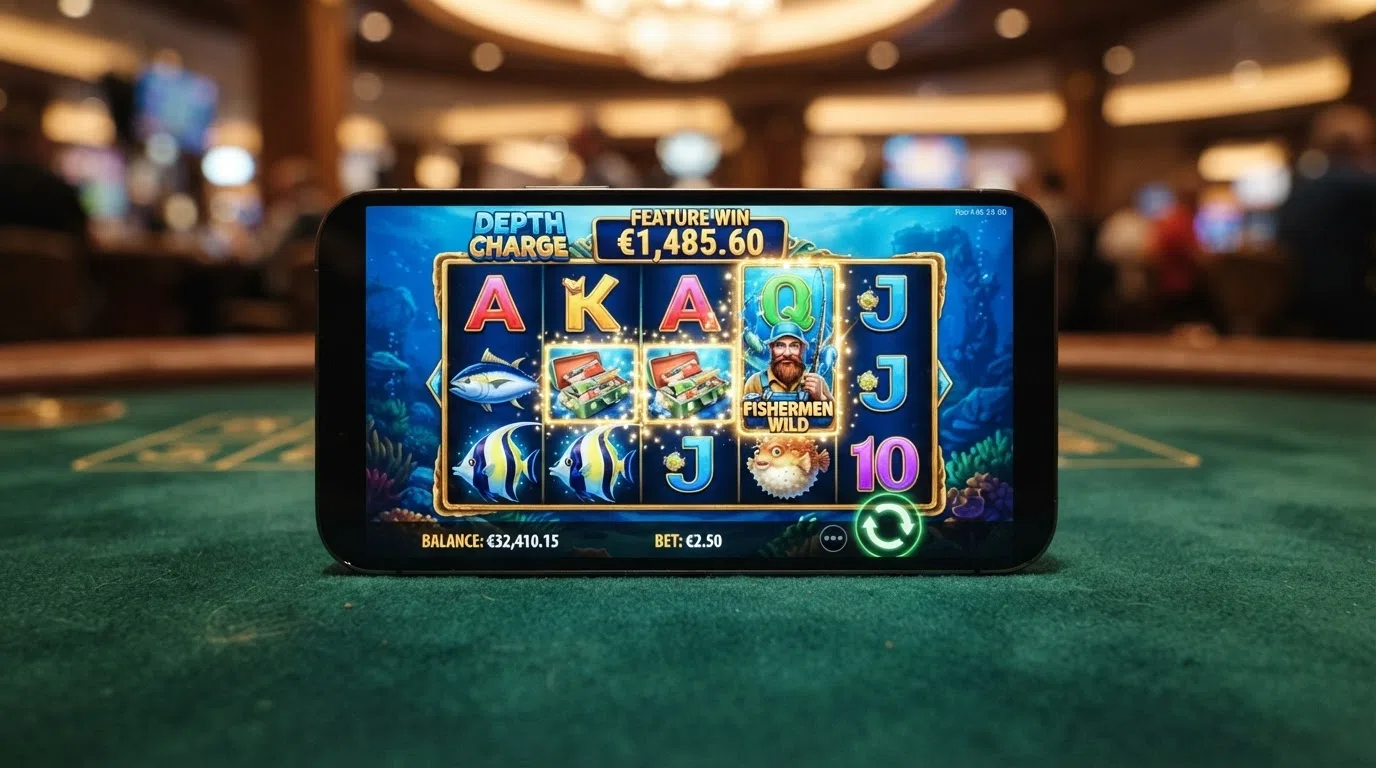
Big Bass Bonanza and Big Bass Splash are the two Pragmatic Play / Reel Kingdom titles that dominate the UK no-wagering free-spin landscape. Big Bass Bonanza was released in December 2020; Big Bass Splash is the 2022 follow-up. Both run on a 5×3 reel set with 10 fixed paylines, both have an RTP of 96.71%, both are high-volatility, and both carry a 2,100× max win. The math is the same across the two titles; the artwork and a few features differ.
The 96.71% RTP is the relevant figure. Against a UK online slot average that sits in the mid-90s, Big Bass Bonanza is a slightly above-average title, and the difference matters at the volume of a free-spin batch. Across 50 spins at £0.10, the difference between a 96.71% RTP and a 94% RTP is about 14p, which is small in absolute terms but meaningful as a percentage of the £5 face value. A higher RTP also means a higher expected return from any single spin, which is the right comparison for a player who is looking at one bonus rather than a long-term bankroll.
The 2,100× max win is the upside. On a £0.10 spin, the max win is £210, which is well above most no-wagering free-spin cashout caps and is the reason PlayOJO, MrQ and others either impose no cap or set it higher than the typical £20–£100 range. A spin that lands the 2,100× ceiling on a £0.10 free spin is a £210 win, and the player’s net position on the bonus flips from a small loss to a large gain. The probability of such a hit is small, but it is the reason the high-volatility slot is the right vehicle for a no-wagering offer: the player can win big and keep it.
The eligible list beyond Big Bass Bonanza and Big Bass Splash includes Eye of Horus, Fishin’ Frenzy, Gold Blitz Ultimate, 12 Pots of Gold Drum Frenzy, Paddy’s Mansion Heist and the Jackpot King network. The RTP and volatility of those titles vary, and a player who has a choice between eligible games should look at the RTP before the theme.
Slot Stake Caps and Why Your £0.10 Free Spin Matters
The UK slot stake caps — £5 for players aged 25 and over, £2 for players aged 18–24 — apply to any stake a player places on a slot game, including a free spin. The £0.10 fixed spin value on no-wagering free spins is well below both caps, and the gap is the operator’s choice rather than a regulatory requirement. A higher fixed spin value would be legal; £0.10 has become standard because it lets a 50-spin package cost the operator £5 while still providing enough volume to make a high-volatility slot worth playing.
The game-design rules that came into force on 31 October 2021 are the broader context. Auto-play is banned, so a player clearing a 200-spin batch cannot set the spins running unattended. The minimum spin speed is 2.5 seconds, which means a 200-spin batch takes at least 500 seconds, or just over 8 minutes, of active play. Features that speed up play are banned, losses disguised as wins are banned, and reverse withdrawals are permanently banned. The rules are designed to slow play down and remove the design tricks that inflated slot handle, and the £0.10 fixed spin value is the operator’s response: a small stake that cannot be auto-played is a stake the player has to manually work through.
The 2,100× max win on Big Bass Bonanza interacts with the stake caps in a way that is easy to miss. A player aged 25 and over who is willing to stake £5 per spin could in principle hit a £10,500 single-spin win (2,100 × £5). A player aged 18–24 who is limited to £2 per spin could in principle hit a £4,200 single-spin win. On a £0.10 free spin, the corresponding figures are £210 and £210. The stake cap is not binding on a £0.10 spin, but the cap shapes the size of the win that is possible, and a 0.10 player has a smaller upside than a £5 player — by a factor of 50, not 21.
Deposits, Withdrawals and Why Your Payment Method Matters at a No-Wagering Casino
The payment method a player uses to fund a UK casino account determines which bonuses can be claimed, how fast winnings reach the bank, and which regulatory safeguards apply. The Commission’s credit card ban has been in force since 14 April 2020 and extends to credit-card-funded e-wallet payments; the mandatory ID verification has been in force since 7 May 2019; the deposit-limit prompt and the financial vulnerability check are the newer additions. A no-wagering bonus does not change the payment-method rules, but the rules change which no-wagering offers a player can actually claim.
PayPal, Debit Card and Pay by Phone: What Each Method Means for Your Bonus
Debit card is the universal fallback at every featured operator. A player funding the account with a Visa or Mastercard debit card, or with a Maestro debit card where the operator accepts it, can claim the welcome offer at every site in the ranking. The credit card ban does not affect debit cards, and the credit-card-funded e-wallet rule (which closes the Skrill/Neteller/PayPal route where the funding source is a credit card) does not affect a debit-card-funded PayPal deposit. Paddy Power’s restriction is a T&Cs choice: the operator has decided to require debit card or Apple Pay specifically for the post-deposit 200 spins, even though a debit-card-funded PayPal deposit would be regulatory-compliant.
PayPal is widely accepted at UK-licensed casinos but is excluded from some bonus triggers. Paddy Power’s debit-card-or-Apple-Pay rule is the explicit example: a PayPal deposit does not trigger the 200-spin top-up, even though it would trigger the no-deposit 60 spins. Most other featured operators accept PayPal for both the deposit and the bonus trigger, but the T&Cs at each site have to be checked because the rules differ. The Commission’s credit card ban does not ban PayPal, but it does ban PayPal deposits funded by a credit card, and operators are required to enforce that ban at the deposit step.
Pay by phone billing is a deposit method at some UK-licensed casinos. The deposit is added to the player’s mobile phone bill, and the limit is typically £30–£40 per day. Pay by phone rarely qualifies for welcome-offer triggers because the deposit amount is below most operators’ £10 minimum and the method is incompatible with withdrawal (a player cannot withdraw to a phone bill). The featured operators in the ranking do not prominently advertise pay by phone, and the payment method is more common at slot-focused sites outside the featured set.
The credit card ban is the most consequential single rule. From 14 April 2020, no GB-licensed operator can accept a credit card payment for remote gambling, and from a later date the ban was extended to credit-card-funded e-wallet deposits. A player funding the account with a credit card, or with an e-wallet that was funded by a credit card, will have the deposit refused. The rule is enforced at the deposit step, so the player is told the deposit cannot be processed rather than being told after the deposit has been made.
Crypto and Bitcoin at No-Wagering Casinos: A Narrow Fit in the UK
Crypto-friendly no-wagering casinos are scarce inside the UK licensed market. The Commission’s rules require operators to verify the customer by name, address and date of birth before any deposit or play, and crypto’s pseudonymity sits awkwardly with that requirement. Most “crypto casino no wagering” search results point to offshore operators without a GB licence, and a player who follows those links is leaving the UK regulatory perimeter.
The player gives up several protections by playing at an unlicensed crypto casino. GAMSTOP, which is mandatory for every GB-licensed online operator, does not reach unlicensed sites, so a player who has self-excluded can still play at an offshore crypto casino. The Commission’s complaints route is unavailable, because the regulator has no jurisdiction over an unlicensed operator. ADR (alternative dispute resolution) access is gone, and British consumer redress through the small-claims route is harder to enforce against an offshore entity. The player’s recourse is largely limited to the payment provider’s chargeback mechanism, which crypto transactions do not support.
The Commission’s enforcement against unlicensed operators is disruption-based, not blocking-based. Between April 2024 and June 2025 the Commission issued 3,140 disruption notices and referred 447,778 URLs to search engines, which is the lever the regulator uses to make unlicensed sites harder to find. Statutory ISP-blocking powers have been proposed but not enacted. Operating without a GB licence is a criminal offence under section 33 of the Gambling Act 2005, with penalties of up to 51 weeks’ imprisonment, an unlimited fine, or both, but the criminal liability sits with the operator rather than the player. A player who gambles at an unlicensed site commits no offence but loses the protections.
The 40% Remote Gaming Duty that came into force on 1 April 2026 is the operator-side tax context. The duty rose from 21%, and the increase puts pressure on operator margins, which is one reason UK-licensed crypto offerings are scarce: a crypto casino paying 40% Remote Gaming Duty on its GGY is at a structural disadvantage against an offshore competitor that pays no UK duty. The result is that the UK no-wagering crypto niche is narrow, and most players looking for that combination end up at an offshore site.
How the UKGC Protects Your No-Wagering Bonus — and What It Doesn’t Cover
| Protection | What It Means for Your Bonus | In Force Since | Source |
|---|---|---|---|
| 10× wagering cap | No bonus can require turnover above 10× the bonus amount | 19 January 2026 | LCCP SR Code 5.1.1 |
| Mixed-product bonus ban | A bonus cannot require play on a different product (bingo, betting, lottery) | 19 January 2026 | LCCP SR Code 5.1.1 |
| Age-banded slot stake cap | Maximum £5 per spin (25+) / £2 (18–24) | 9 April 2025 / 21 May 2025 | SI 2025/215 |
| Credit card ban | No credit card deposits, including credit-card-funded e-wallets | 14 April 2020 | LCCP 6.1.2 |
| ID verification before play | Name, address and DOB verified before any deposit or bonus | 7 May 2019 | LCCP |
| Financial vulnerability check | Light-touch check at £150 net deposit in 30 days (public data only) | 28 February 2025 | LCCP SR Code 3.4.4 |
| Tax-free winnings | Player pays no tax on gambling winnings | 2001 | Gambling Act / HMRC |
| Remote Gaming Duty 40% | Operator-side tax on online casino GGY | 1 April 2026 | Autumn Budget 2025 |
| Statutory levy 1.1% GGY | Operator-funded treatment / prevention / research | 6 April 2025 | Gambling Act 2005 (as amended) |
| GAMSTOP self-exclusion | Mandatory multi-operator exclusion, 6m / 1y / 5y / 5y+ | 31 March 2020 | LCCP |
| Deposit-limit prompt | Mandatory financial limit prompt before first deposit | 31 October 2025 | RTS 12 |
| Reverse withdrawals banned | No cancellation of pending withdrawals | 31 October 2021 | LCCP |
The Commission’s regulatory framework shapes the offer, but it does not determine it. The 10× cap is a ceiling, not a floor, and operators can offer 0×, 4×, 5× or anything up to 10×. The mixed-product ban closes a specific cross-sell pattern but leaves the bonus mechanics on a single product otherwise untouched. The cashout ceiling, the spin value, the eligible games, the validity window and the no-deposit tier are all operator choices within the regulatory envelope. The 0× bonus exists because a small number of operators have decided to offer it, and the 10× cap is the reason that decision is now more visible — not the reason it is made.
The UKGC Licence: What It Means for Your No-Wagering Casino
The Gambling Commission is the single statutory regulator for gambling in Great Britain, an executive non-departmental public body sponsored by the Department for Culture, Media and Sport. It licenses operators, personnel and software, and publishes a public register of licence holders that any player can search. The Commission’s three licensing objectives, set out in section 1 of the Gambling Act 2005, are preventing gambling from being a source of crime or disorder, ensuring gambling is conducted in a fair and open way, and protecting children and other vulnerable persons from being harmed or exploited.
The point-of-consumption reform in the Gambling (Licensing and Advertising) Act 2014 made a GB licence compulsory for any operator serving GB customers, regardless of where the operator is based. The reform closed the previous “white-list” loophole under which an operator licensed in another jurisdiction could serve GB customers without a GB licence. Every featured operator in this ranking holds a current GB operating licence, and the licensee entity is the one named on the Commission’s public register.
The LCCP and the Remote Technical Standards are the day-to-day rule books. The LCCP contains licence conditions (which are mandatory) and codes of practice (which are also mandatory but the Commission takes a different enforcement approach to non-compliance). The RTS contains the technical standards for game fairness, random number generation, identity verification and similar. Social Responsibility Code 5.1.1 is the section that sets the 10× cap and the mixed-product ban, and it sits in the LCCP.
A player who wants to verify a licence should look at the operator’s website footer, where the licence number and the licensee entity are usually displayed, and then search the Commission’s public register for the entity. The register entry should match the entity name and the licence number. A licence that does not match is a red flag: either the operator is displaying the wrong details, the licence has lapsed, or the operator is unlicensed. The register is the single source of truth, and the operator’s own marketing material is not.
The Protections That Kick In Before You Claim a Bonus
The Commission’s pre-play safeguards run in a specific order. First, identity verification: since 7 May 2019, every GB-licensed remote operator has had to verify a customer’s name, address and date of birth before the customer can deposit or gamble, including on free bets and bonuses. Card registration is part of this, but the full check has to be complete before a withdrawal is processed. The verification step is why no-deposit no-wagering bonuses are not anonymous: a player has to be identifiable to claim and to withdraw.
Second, the deposit-limit prompt. From 31 October 2025, every operator has to present a customer with the option to set a financial limit before the first deposit. From 30 September 2026, the gross deposit limit has to be offered with at least equal prominence, and only that form may be called a “deposit limit” — the standardised vocabulary is part of the rule. A player can decline to set a limit and deposit anyway, but the prompt has to be there, and the operator has to record the decision. A decrease in the limit applies immediately; an increase has a 24-hour cooling-off period.
Third, the financial vulnerability check. Under LCCP SR Code 3.4.4, a customer who has deposited a net £150 or more in a rolling 30-day period is subject to a light-touch check using publicly available data: county court judgments, bankruptcies, individual voluntary arrangements, debt relief orders. The check is not a credit check and does not require the customer to provide documents, but it does trigger if the net deposit threshold is crossed, and the operator has to act on the result. A customer who is flagged may be asked to provide further information, may have their deposit limit reduced, or may be asked to self-exclude.
GAMSTOP is the multi-operator self-exclusion register, mandatory for every GB-licensed online operating licence since 31 March 2020. A player who registers with GAMSTOP is excluded from every GB-licensed online operator for the chosen period — 6 months, 1 year, 5 years, or 5 years with auto-renewal — and the exclusion cannot be cancelled early. An active bonus does not survive a GAMSTOP registration: the player’s account is closed, the bonus expires, and any remaining real-money balance is returned according to the operator’s withdrawal policy. The interaction matters because a player who self-excludes mid-bonus forfeits the offer.
Staying in Control: The Responsible Gambling Tools Every UK Player Should Use
The responsible-gambling infrastructure at a UK-licensed no-wagering casino is the same as at any other UK-licensed casino, because the rules are the same. The 0× bonus does not change the safer-gambling obligations on the operator, and the prevalence data behind those obligations is unchanged. The Health Survey for England 2024 found 5% of adults had PGSI scores of 1 or more, indicating at-risk or problem gambling, a figure that has been stable since 2012. The NHS Adult Psychiatric Morbidity Survey 2023/24 found 0.4% of adults experienced problem gambling (PGSI 8+) and 1.6% experienced at least moderate risk gambling (PGSI 3+). The numbers are small in percentage terms, but in a population of around 50 million adults, 5% is around 2.5 million people, and 0.4% is around 200,000.
GambleAware’s National Gambling Treatment Service treated 11,960 clients in 2024/25, an 11% increase on 2023/24. Of those who completed treatment, 93% saw improvement. One quarter of clients said their problem gambling started by the age of 18, which is the legal gambling age in Great Britain, and the early-onset cohort is the group the public-health response is most focused on. The statutory levy that funds treatment — 1.1% of GGY for remote casino licences from 6 April 2025, split 50% treatment, 30% prevention, 20% research — is the structural funding source for that work.
The Tools Built Into Every UK-Licensed Casino
Deposit limits are the most-used tool. A player sets a daily, weekly or monthly deposit limit, and the operator blocks deposits that would breach the limit. A decrease applies immediately; an increase has a 24-hour cooling-off period so the player has to wait a day before they can deposit more. The mandatory prompt before first deposit is the entry point, and the standardised vocabulary from RTS 12 (the gross deposit limit being the only form that can be called a “deposit limit”) is the rule that prevents operators from offering “limits” that are not actually limits.
Reality checks are session-time and net-position displays that pop up at intervals during play. The default interval is operator-set but cannot be longer than 60 minutes under the LCCP. The reality check shows the player how long they have been playing and their net position over that period, and the player can choose to continue or to take a break. The game-design rules that came into force on 31 October 2021 require operators to display total losses/wins and time played during a slots session, and the reality check is the structured version of that requirement.
Time-outs are short self-exclusion periods that the player can set on their own account, ranging from 24 hours to six weeks. A time-out is shorter than a GAMSTOP registration and is operator-specific, so a player who takes a time-out at one casino can still play at another. A GAMSTOP registration, by contrast, excludes the player from every GB-licensed online operator at once. The two are different tools at different scales, and the right choice depends on the situation.
Self-exclusion via the operator’s own tools is the in-between option. A player who wants to exclude from a single operator for a longer period than a time-out but does not want to use GAMSTOP can request a self-exclusion through the operator’s responsible-gambling team. The exclusion period is set with the player, the account is closed, the balance is returned, and marketing contact stops. GAMSTOP is the wider-net version; operator self-exclusion is the targeted one.
Where to Get Help: GamCare, GAMSTOP and NHS Services
GamCare runs the National Gambling Helpline on 0808 8020 133, free from any UK phone, 24 hours a day. The helpline is the single first point of contact for anyone worried about their own gambling or someone else’s. GamCare also runs the National Gambling Treatment Service, which is the clinical treatment arm funded by the statutory levy, and the NetSupport gamcare.org.uk service for online chat and self-help materials. The helpline and the treatment service are separate, and a caller to the helpline can be referred into treatment if appropriate.
GAMSTOP is the self-exclusion register at gamstop.co.uk. A player registers with their name, address and date of birth, chooses an exclusion period (6 months, 1 year, 5 years, or 5 years with auto-renewal), and is then excluded from every GB-licensed online operator. The exclusion cannot be cancelled early. The registration is free, takes about five minutes, and is the structural mechanism for a player who has decided to stop. GAMSTOP does not reach Northern Ireland, where separate, older gambling law applies; it does reach every GB-licensed online operator in England, Scotland and Wales.
The NHS runs gambling harm clinics in England, Scotland and Wales. The clinics offer cognitive behavioural therapy and related interventions for problem gambling, free at the point of use, on GP referral or self-referral depending on the clinic. The NHS gambling clinics are part of the broader NHS talking-therapies infrastructure (Improving Access to Psychological Therapies, IAPT) and are funded through the standard NHS commissioning route rather than the statutory levy. The waiting time varies by region, and the clinics are not 24-hour services.
Gamblers Anonymous runs peer-support meetings across the UK. The model is the same as Alcoholics Anonymous: a fellowship of people with shared experience who meet regularly to support each other’s recovery. The meetings are free, anonymous, and run by members rather than clinicians. GamCare, GAMSTOP, NHS clinics and Gamblers Anonymous are the four main routes into help, and a player can use more than one at a time.
How We Selected and Ranked Every No-Wagering Casino on This Page
Every operator in the ranking holds a current operating licence from the Gambling Commission, and the licensee entity has been checked against the Commission’s public register. The 10× wagering cap (LCCP SR Code 5.1.1) is the regulatory baseline, and an offer that fails it would not appear on this page regardless of how generous the headline number looked. Beyond the licence check, the ranking weighs the following offer-term dimensions:
- Wagering multiplier (0× only, by definition)
- Free-spin count
- Spin value
- Minimum deposit or qualifying stake
- Bonus validity window
- Maximum cashout cap, where stated
- Bonus slot eligibility (single title, small selection, or wider list)
- No-deposit tier (where one exists)
The operator-level factors are time licensed, the breadth of the games catalogue, and whether the no-wagering mechanic is welcome-only or site-wide. PlayOJO and MrQ have site-wide no-wagering policies, which is a structural differentiator from operators that offer 0× on the welcome and traditional bonuses thereafter. The source set is the operator’s own T&Cs pages, the UKGC register, and the specialist UK affiliate reviews (British Gambler, Oddschecker, OLBG, The Sun Betting and comparable sites) for cross-checking.
The 0× requirement is the price of admission to the ranking. A 4× or 5× offer is a low-wagering bonus, not a no-wagering one, and is excluded. A 10× offer is the new market norm and is also excluded, however generous the face value. The ranking is not a list of the best UK casino bonuses; it is a list of the best UK no-wagering casino bonuses, and the two lists will not be the same.
What the Best No-Wagering Offer Actually Looks Like — and How to Pick Yours
No single operator leads on every dimension a no-wagering welcome can vary on. Sky Vegas has the largest spin bank (270 total) and a meaningful no-deposit tier (70 spins). MrQ has the cleanest no-wagering mechanic (site-wide, 48-hour window, no cap). PlayOJO has the no-cap policy on the welcome plus a real-money cashback system that extends the mechanic beyond the welcome. bet365 has the highest possible spin count (up to 500) but only via a daily prize-reveal cadence. Paddy Power has the most distinctive exclusive slot (Paddy’s Mansion Heist) and a no-deposit entry point. Betfair has the progressive-jackpot upside (Jackpot King). The trade-off is between spin count, no-deposit access, cashout freedom and eligible-game variety, and the four do not align.
A player who values the no-deposit entry should start with Sky Vegas (70 spins), Paddy Power (60 spins) or Betfair (50 spins). A player who values the no-cashout-cap policy should pick PlayOJO or MrQ. A player who values the largest single deposit-triggered bank should look at bet365 (up to 500) or Sky Vegas (200 post-deposit). A player who values a long validity window should pick Virgin Games (30 days). A player who values a single-session clear should pick MrQ (48 hours, sharp but quick). The data on this page is the input to that decision, not a substitute for it.
The real value of a no-wagering bonus is what you can withdraw, not what the spins are worth on screen. A 50-spin package at £0.10 has a £5 face value, but the expected payout on a 96.71% RTP slot is £4.84, and the actual payout can range from very little to a 2,100× hit. A £20 cashout cap on a 50-spin no-wagering offer means the upside is £20 even if a single spin returns more, and that cap is the single most consequential line in the terms. A no-wagering offer without a cap — PlayOJO, MrQ, bet365 — is the only structure where the full upside of a high-volatility slot is realised in the player’s hand.
The comparison table at the top of the operator section is the quickest way to read the differences. The operator-by-operator detail below the table is the layer beneath the table, where the eligibility rules, the no-deposit tiers, the cashout policies and the slot titles are set out for each brand. The responsible-gambling section above is the safety net, and the regulation section is the framework. Together they describe the segment as it is in 2026, and the choice between the offers is the one the player makes on the strength of those figures.
Frequently Asked Questions
Are no wagering bonuses really free, or are there hidden conditions?
A no-wagering bonus has zero wagering on winnings, which is the headline promise and a genuine structural feature. The conditions that matter are the maximum cashout ceiling (typically £20–£100 on free spins, with some operators imposing no cap), the validity window (often 7 days), the eligible-game list, and the verification step the Commission has required since 7 May 2019. Read the cap and the validity before you read anything else.
What is the UKGC’s 10× wagering cap and how does it affect casino bonuses?
From 19 January 2026, the Gambling Commission’s LCCP Social Responsibility Code 5.1.1 caps wagering requirements on all GB-licensed casino bonuses at 10× the bonus amount. The Commission framed the rule as a harm-reduction and transparency measure, saying it “decreases the likelihood of harm, reduces complexity, and improves transparency while maintaining consumer choice”. The cap is a ceiling rather than a floor, so operators can offer 0×, 4×, 5× or anything up to 10×.
Can I withdraw winnings from no wagering free spins immediately?
Yes. The defining feature of a 0× bonus is that the winnings are paid as cash rather than as locked bonus funds, and the cash can be withdrawn at any time. The verification step still applies: the operator has to confirm your name, address and date of birth before processing a withdrawal, and that check has been mandatory since 7 May 2019. Once verification is complete, the withdrawal is processed according to the operator’s normal timeline.
Do no wagering free spins have a maximum win cap?
Most do. The typical ceiling is in the £20–£100 range, applied as a maximum cashout from the bonus. A small number of operators in the featured set — PlayOJO, MrQ, bet365 — impose no cap on welcome-spin winnings, which is the structural reason those offers rank highly. Read the cap line in the bonus terms; it is more consequential than the spin count.
Are no wagering bonuses available on no deposit offers in the UK?
Yes, on a small number of operators. Sky Vegas (70 no-deposit spins), Paddy Power (60 no-deposit spins) and Betfair (50 no-deposit spins) all run a no-deposit tier on top of their deposit-triggered welcome. The no-deposit batch requires card registration and ID verification under the Commission’s 7 May 2019 rule, and the spins usually expire within 7 days. Most UK no-wagering offers are deposit-triggered, so the no-deposit tier remains a minority feature.
Do I pay tax on casino winnings in the UK?
No. Player-side betting duty was abolished in 2001, and gambling winnings in the UK are tax-free for the player. The tax burden sits on the operator: Remote Gaming Duty, the operator-side tax on online casino GGY, rose from 21% to 40% from 1 April 2026, announced at Autumn Budget 2025. The 40% rate is the highest in the major European markets and is one reason operator margins on UK-facing casino are tighter than the EU average.
Promotions – No Minimum Deposit Casinos UK
Content created by the «No Minimum Deposit Casinos UK» team